brief from the Museum of Warsaw:
“Create a collection of porcelain pieces that commemorates and draws inspiration from Julia Keilowa, to be presented at her first dedicated commemorative exhibition.”
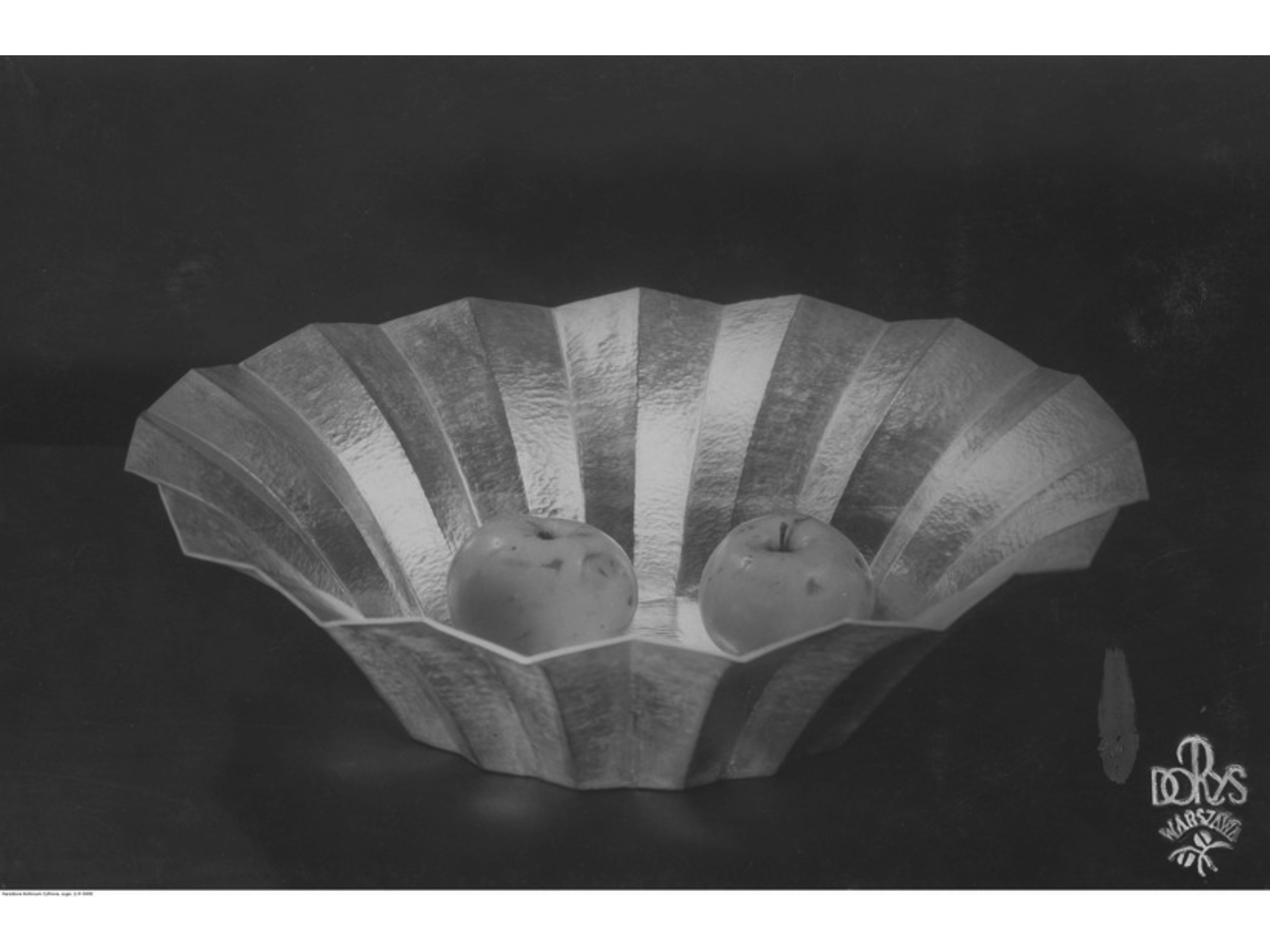
Julia Keilowa, a 20th-century design icon, was known for her minimalistic geometry and contrasting decorative elements. Her style inspired Stela’s form and essence through signature iteration of decorative elements contrasted with flat, unadorned surfaces.
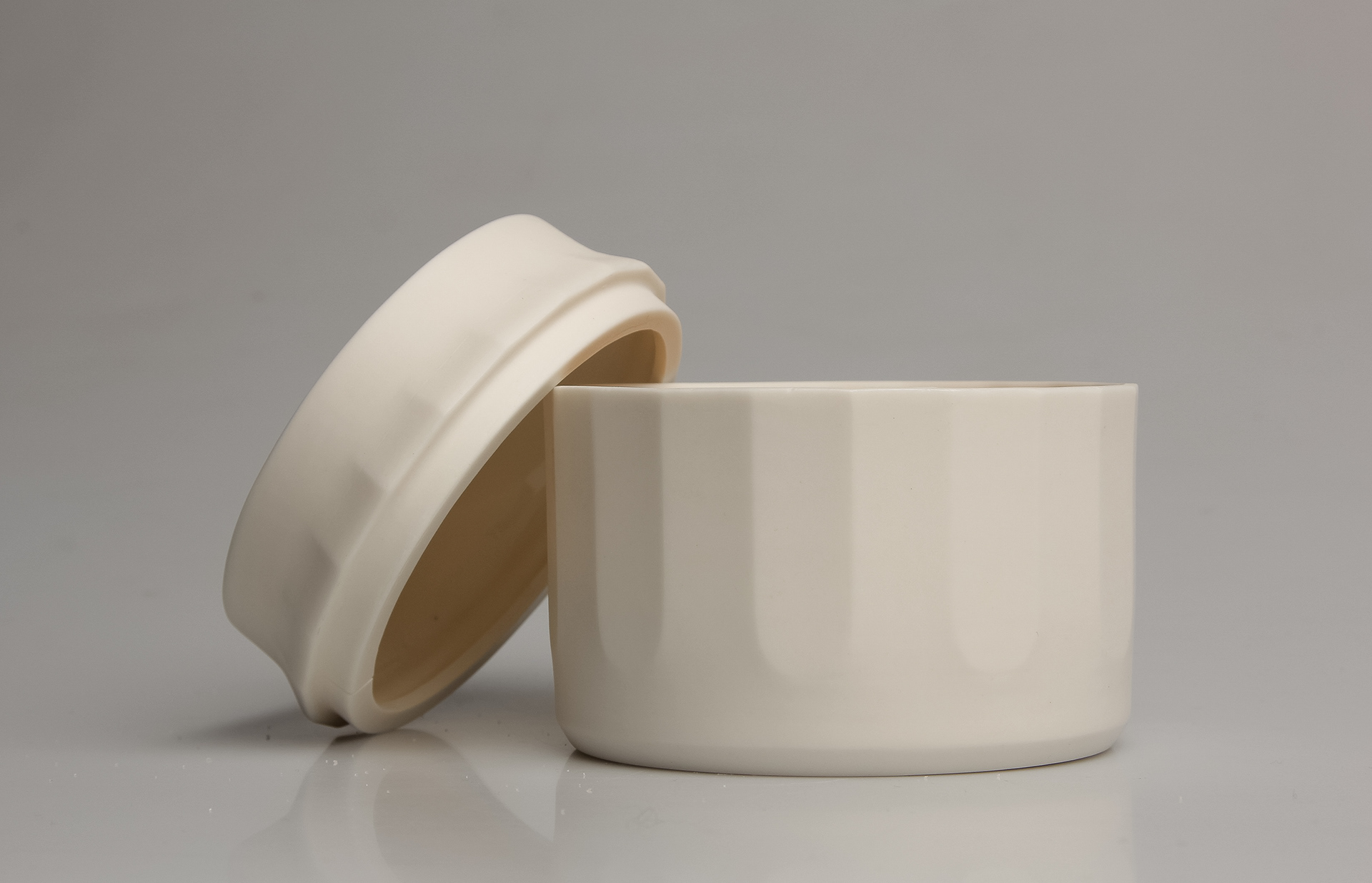
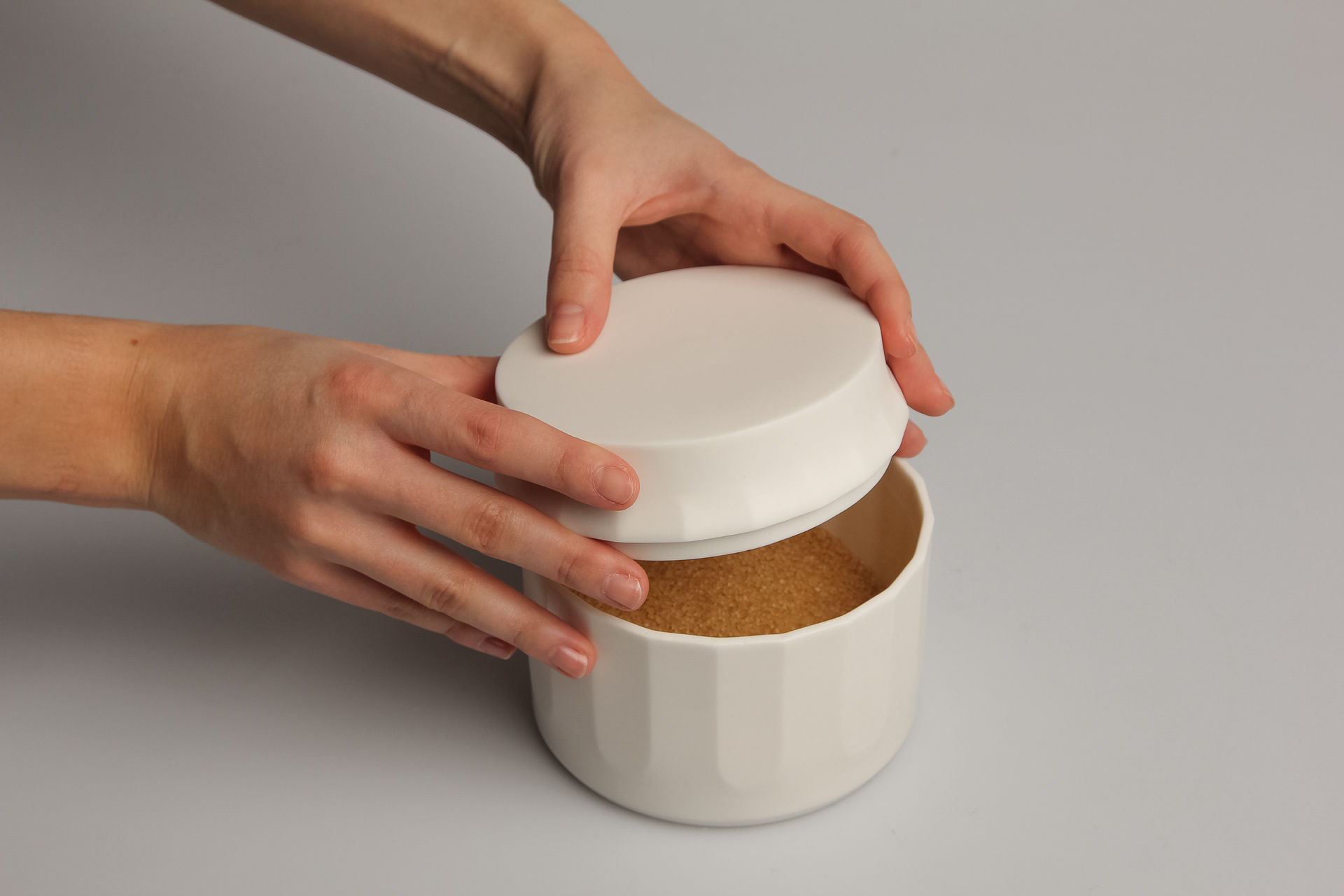
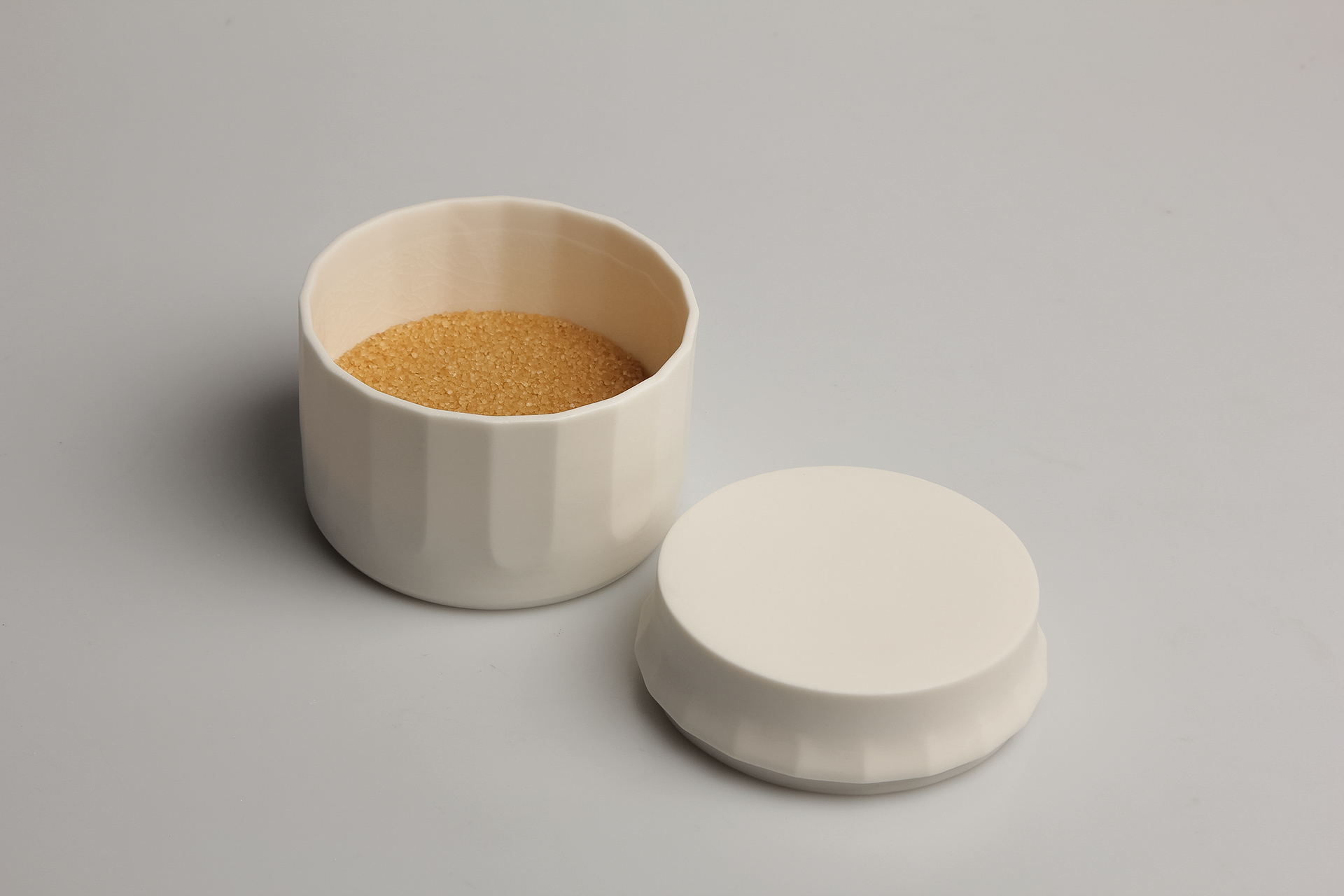
Julia Keilowa designs were primarily decorative tableware objects.
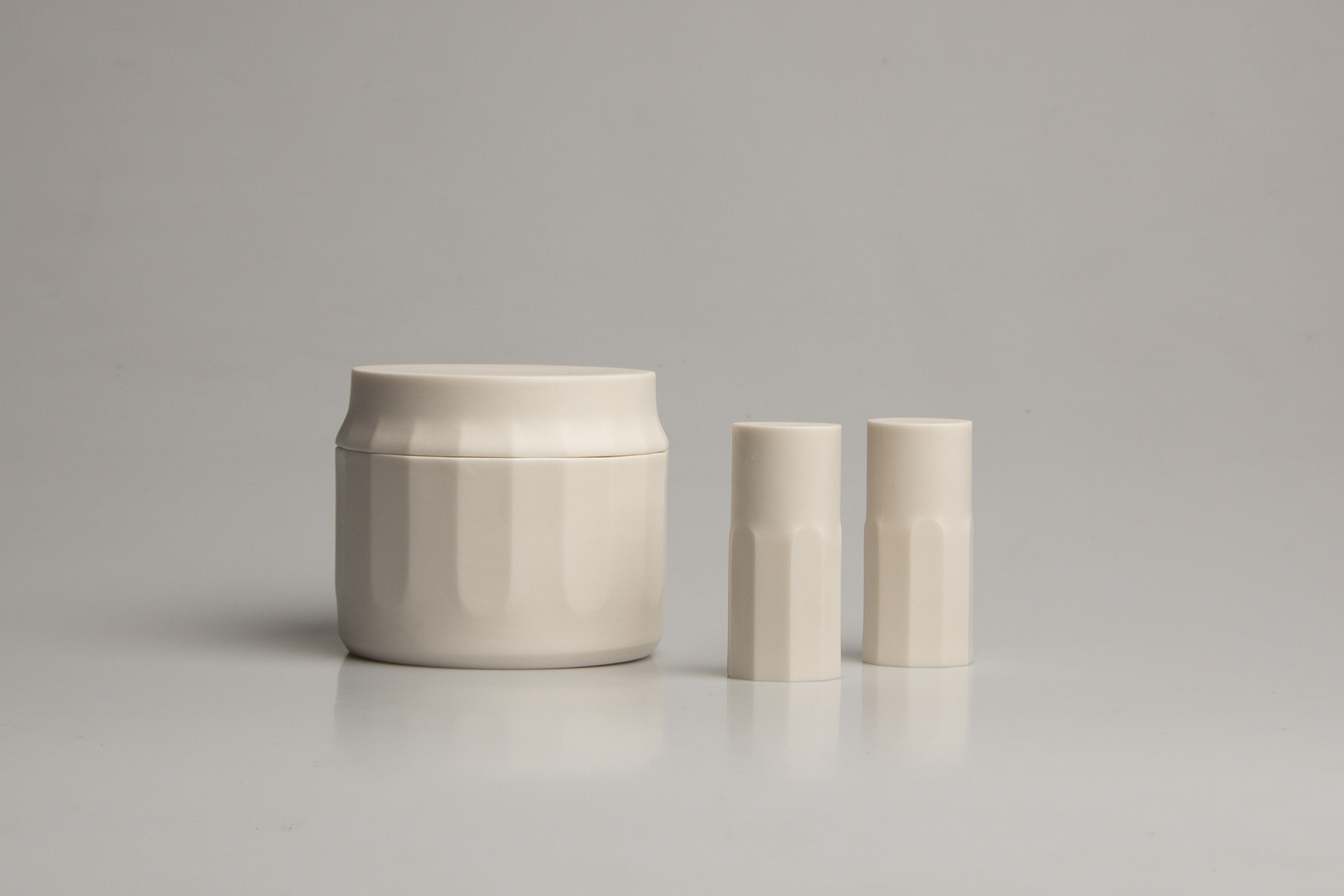
Stela also belongs at the table, providing the basic seasonings: sugar, salt and pepper.
Stela also belongs at the table, providing the basic seasonings: sugar, salt and pepper.
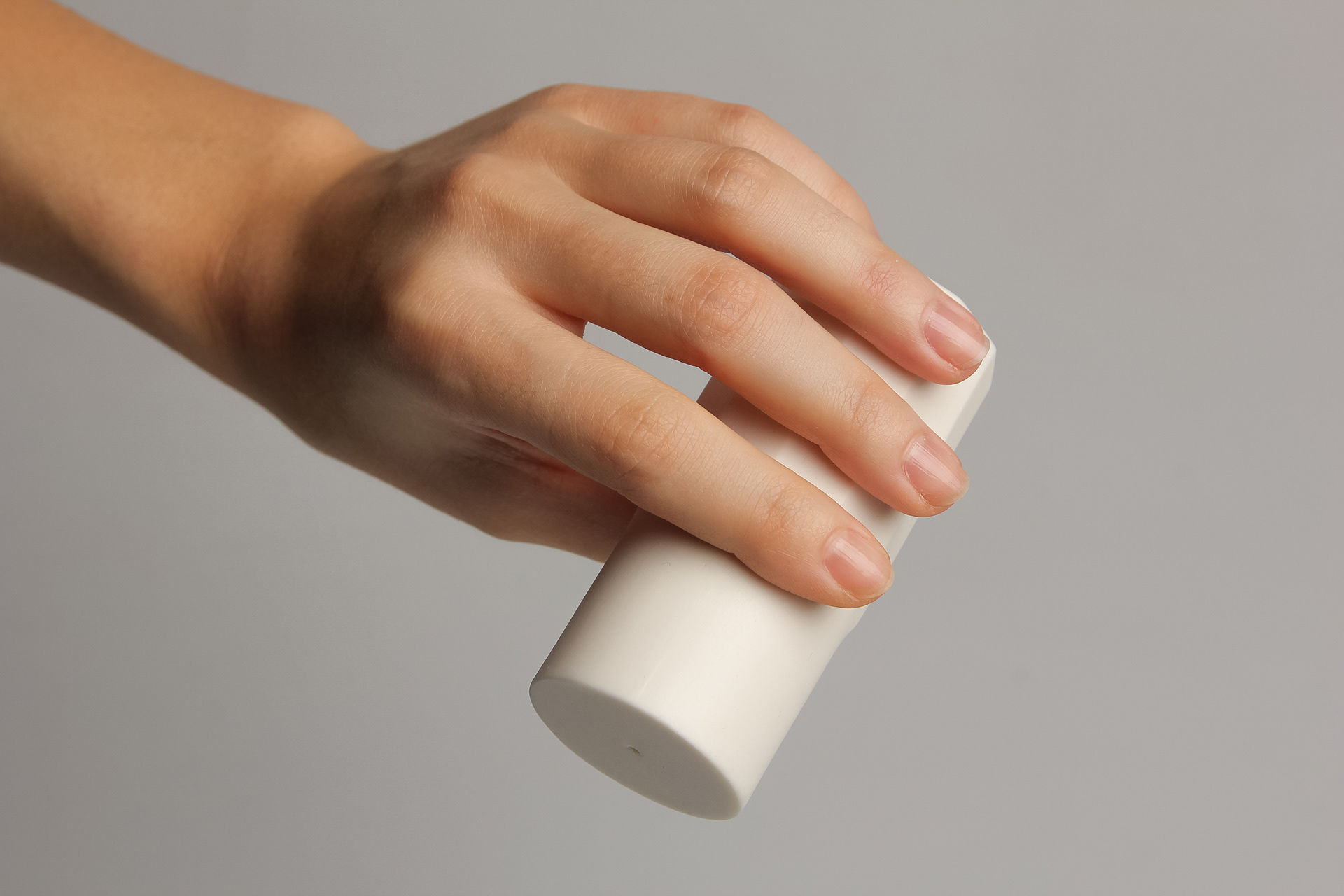
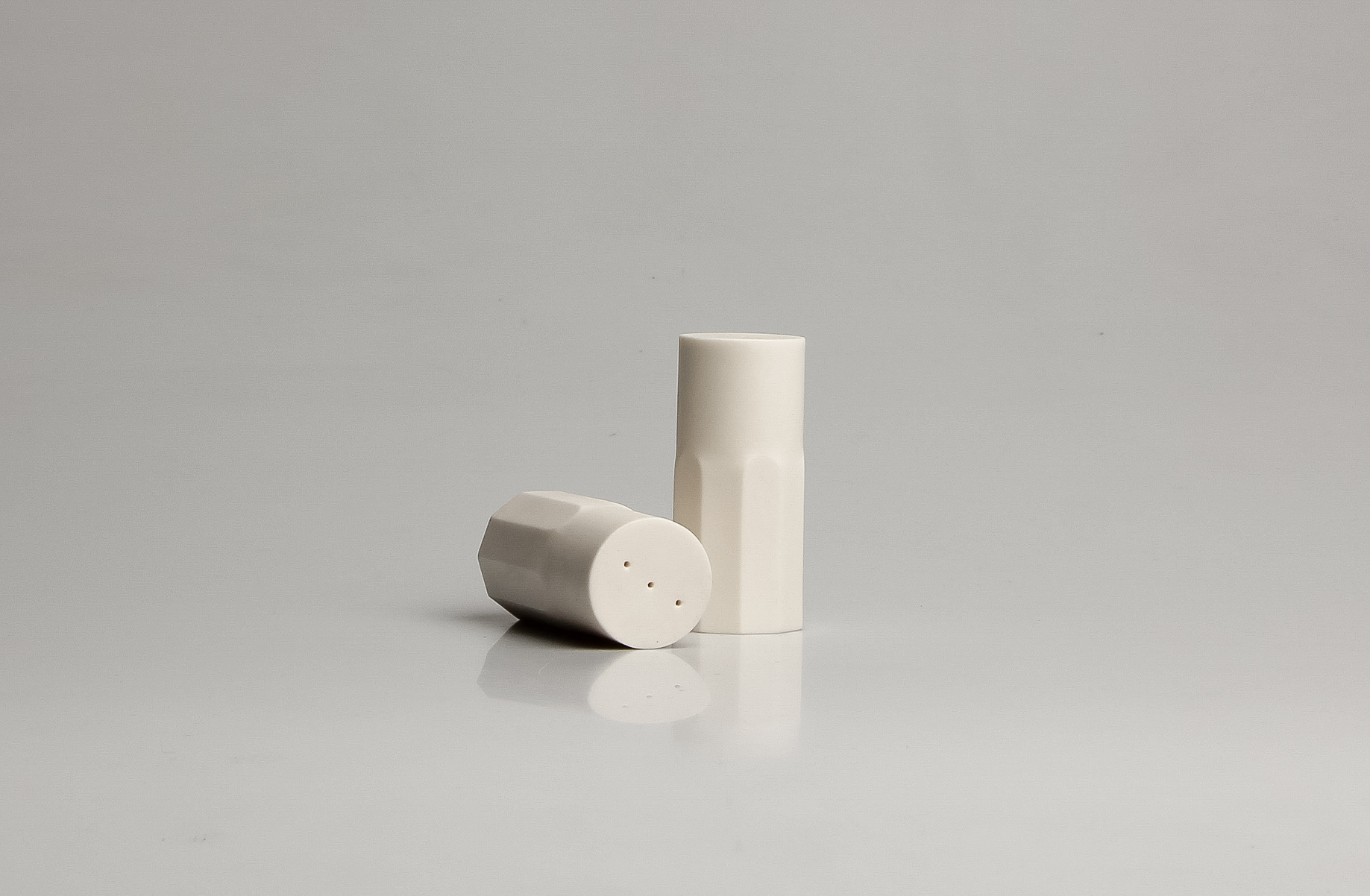
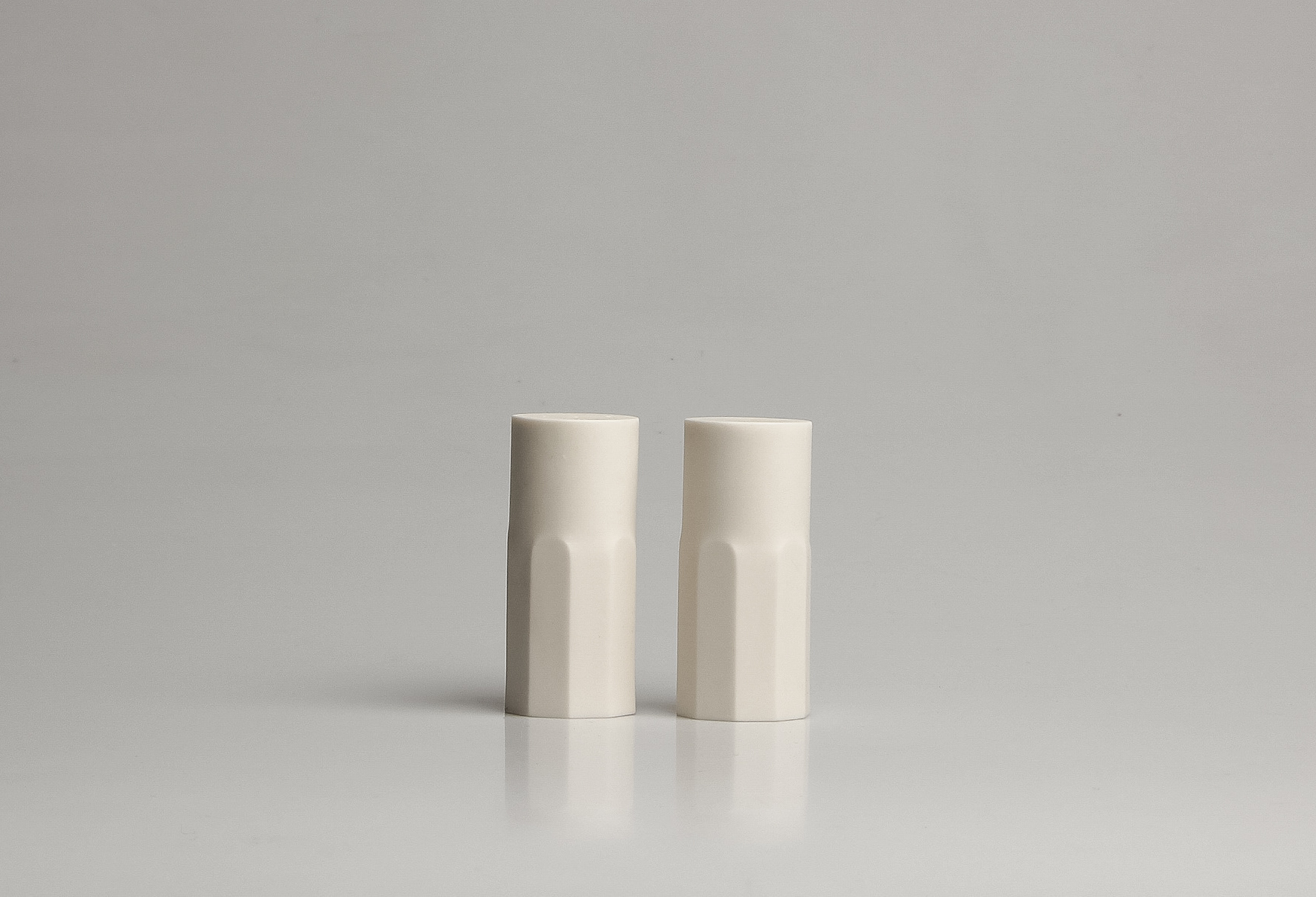
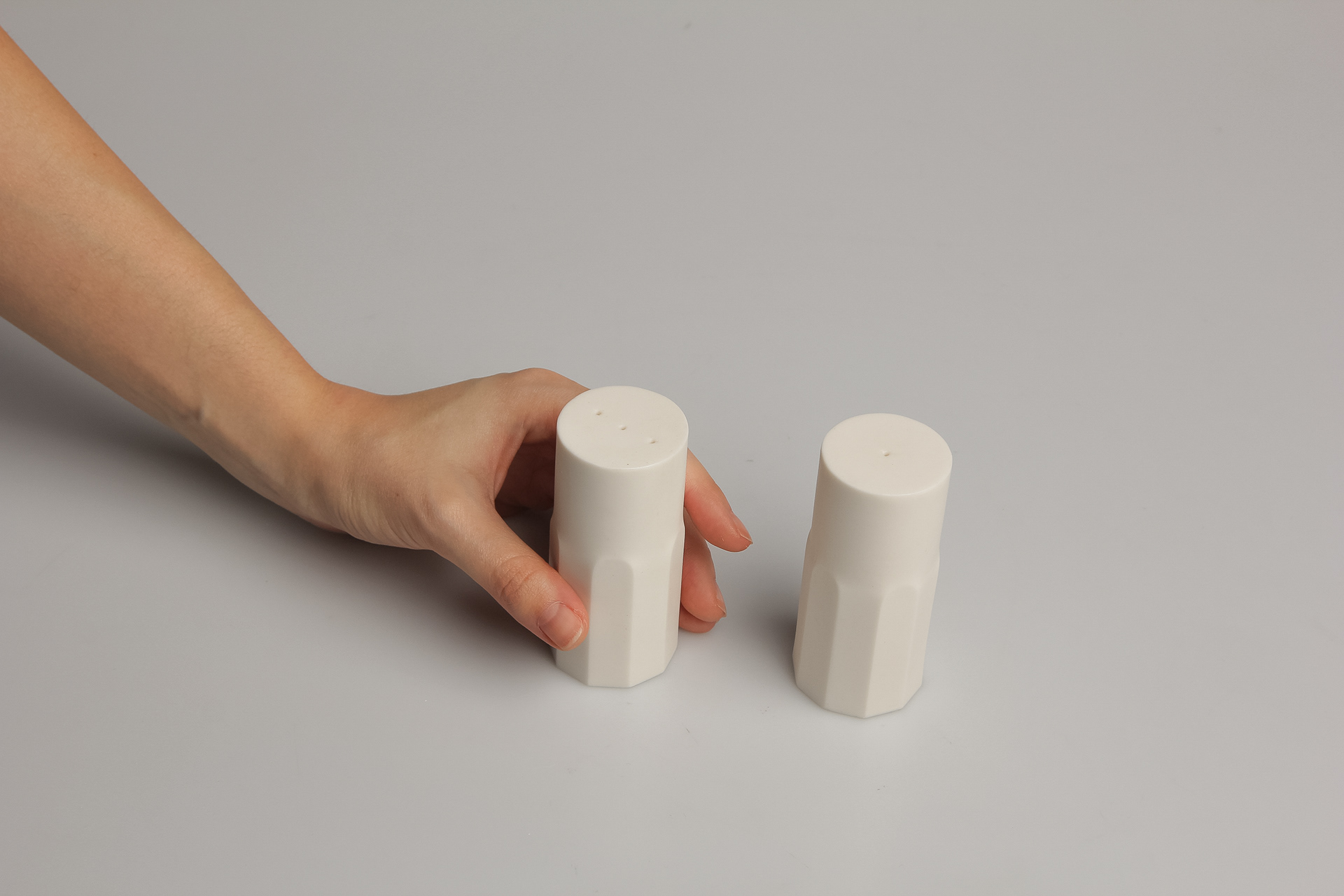
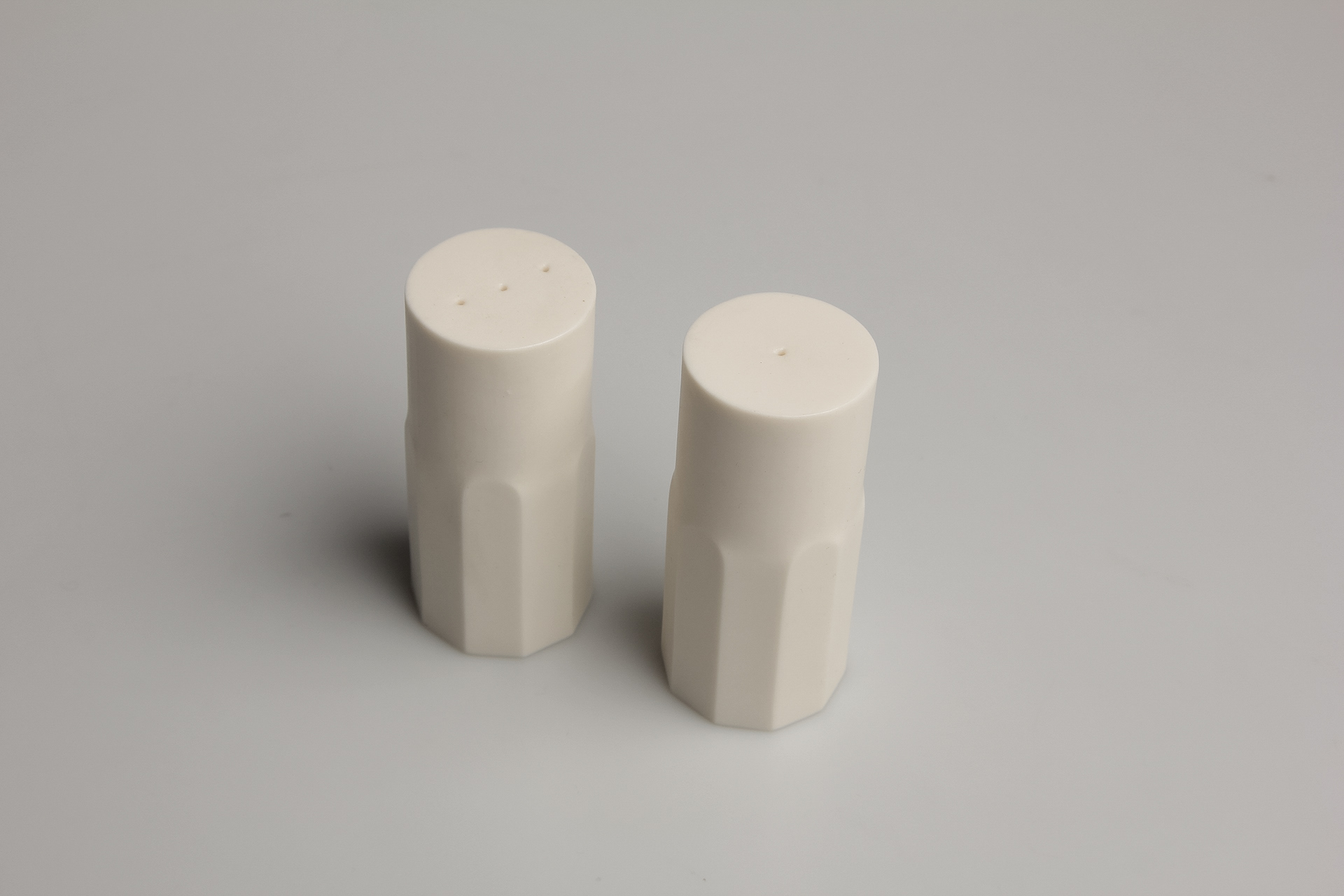
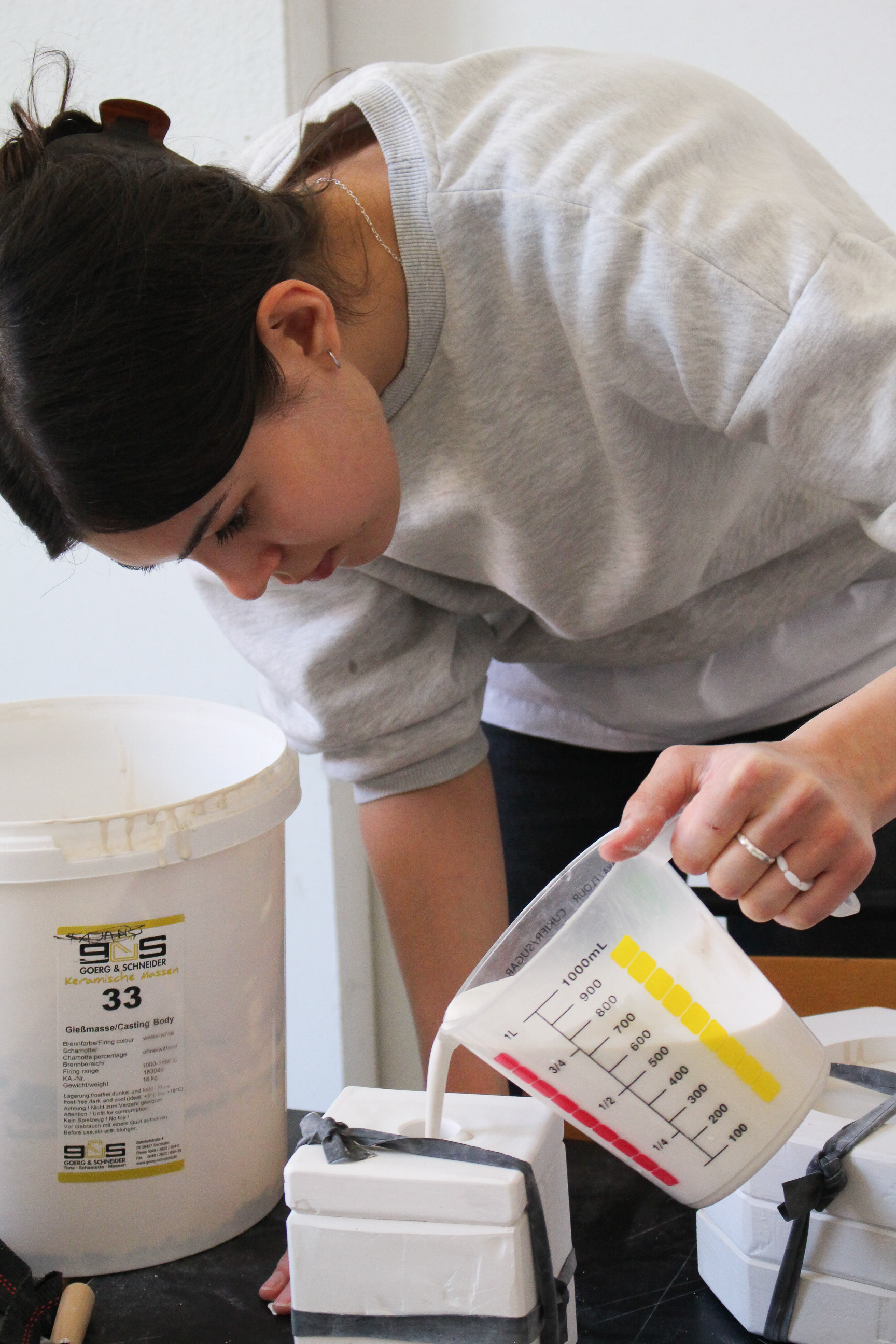
Stela marked an initial exploration into slip-cast ceramics, making the project a valuable hands-on learning experience.
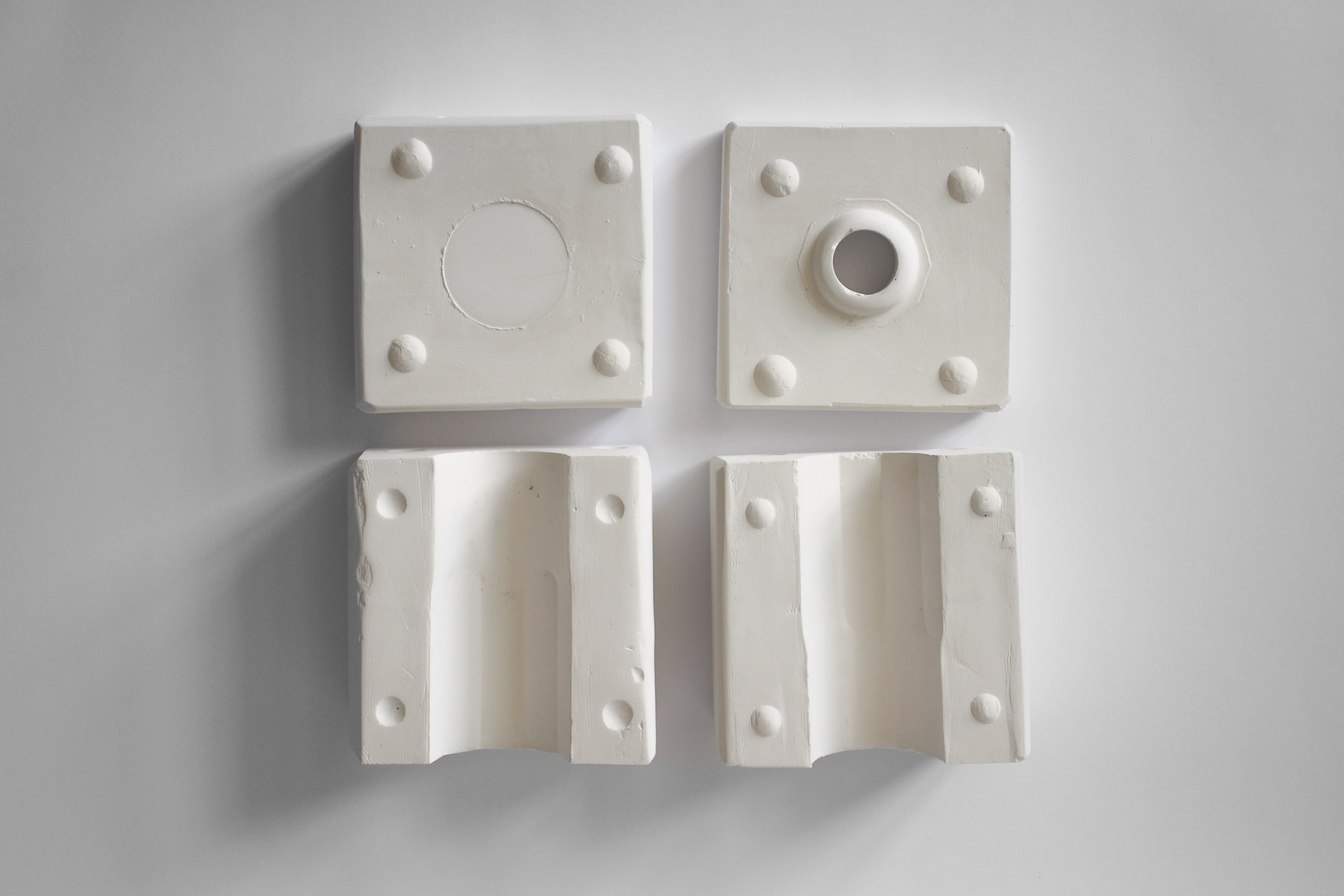
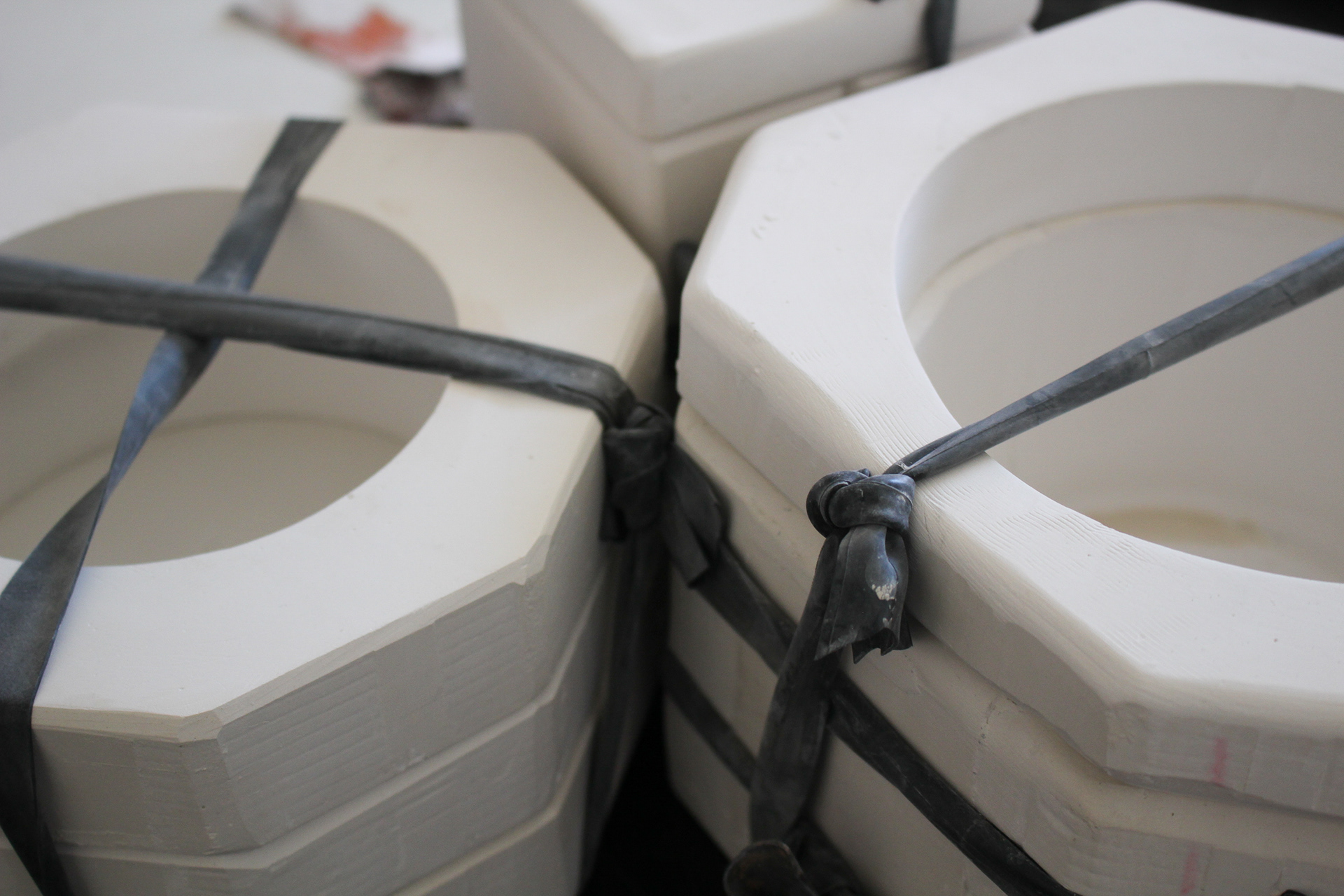
Once the final models were modelled in 3D, scaled and produced in PLA, putty was applied and the surfaces were sanded to achieve a smooth finish. These refined models were then used to create slip-casting plaster moulds—one for the salt and pepper shaker, and two separate moulds for the lid and container of the sugar bowl.
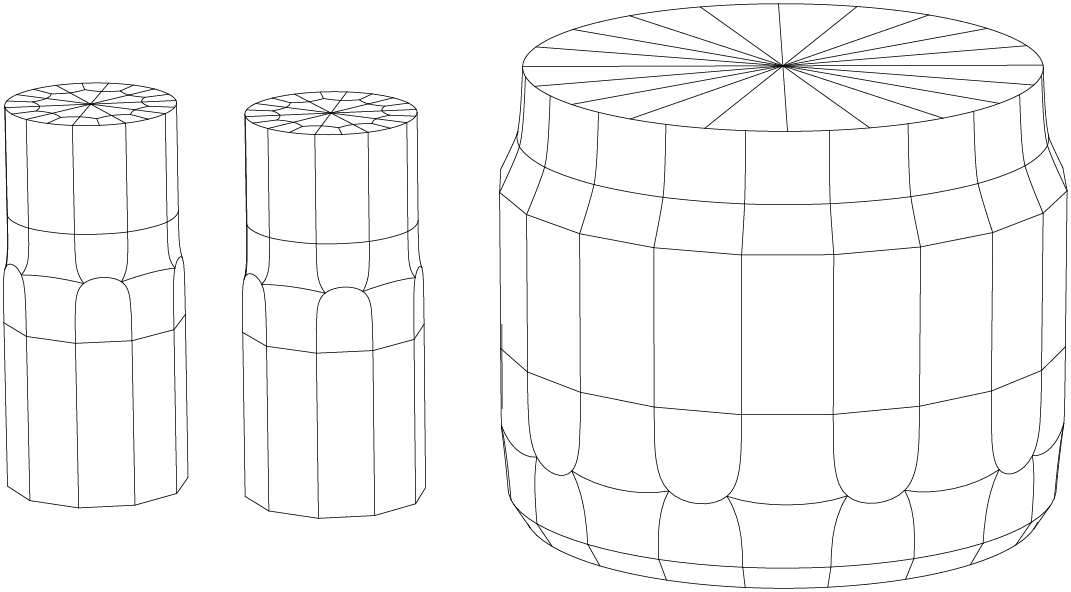
3D modelling software (Rhinoceros7) was used to investigate a range of forms, applying a contemporary approach inspired by Keilowa’s method of material experimentation.
This process embraced capabilities not achievable through traditional means, including mathematically precise repetition and seamless transitions between geometric surfaces.
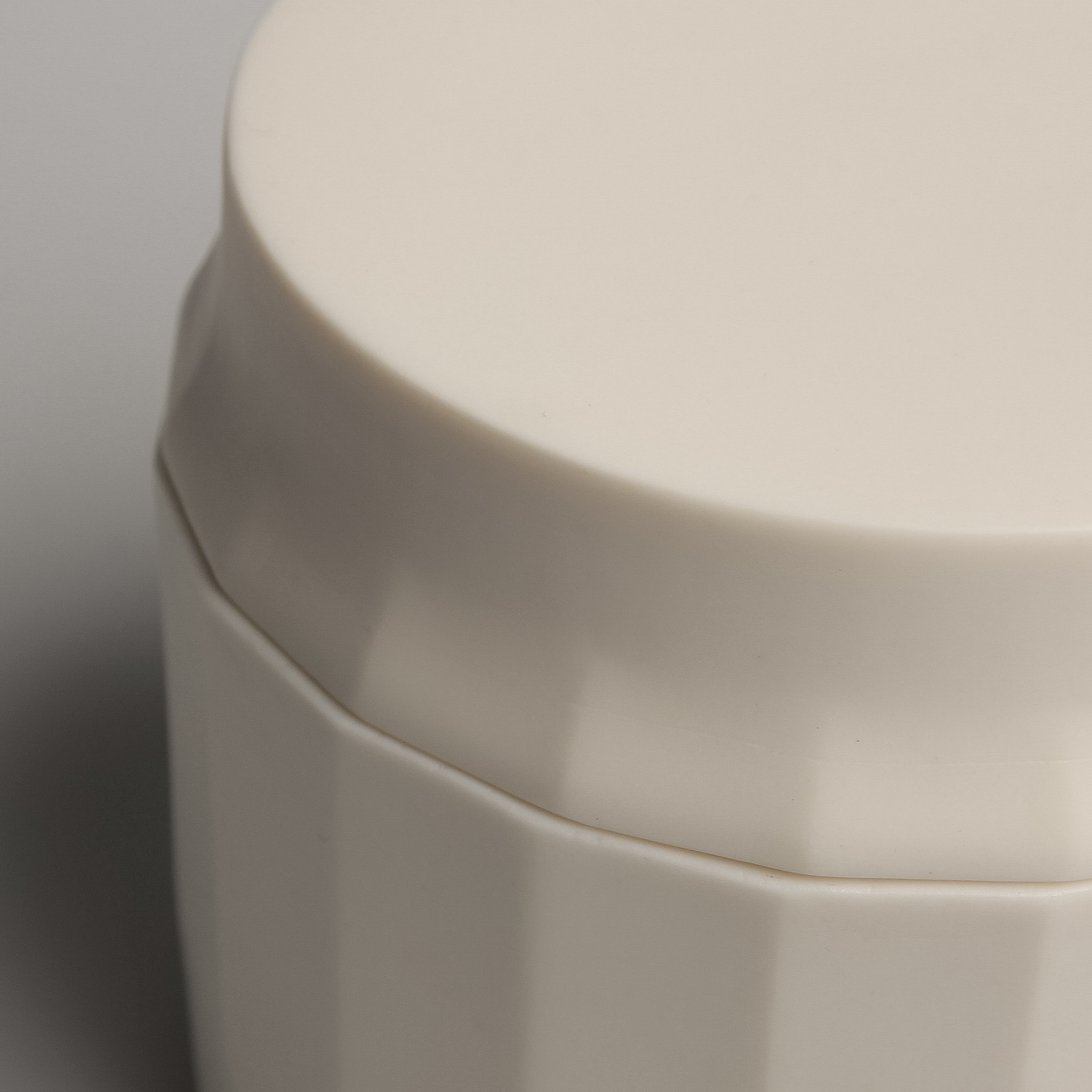
Soft-paste porcelain was selected for its creamy, milk-like colour. After bisque firing, the exterior surfaces were carefully sanded, resulting in a smooth, matte finish in the final firing.
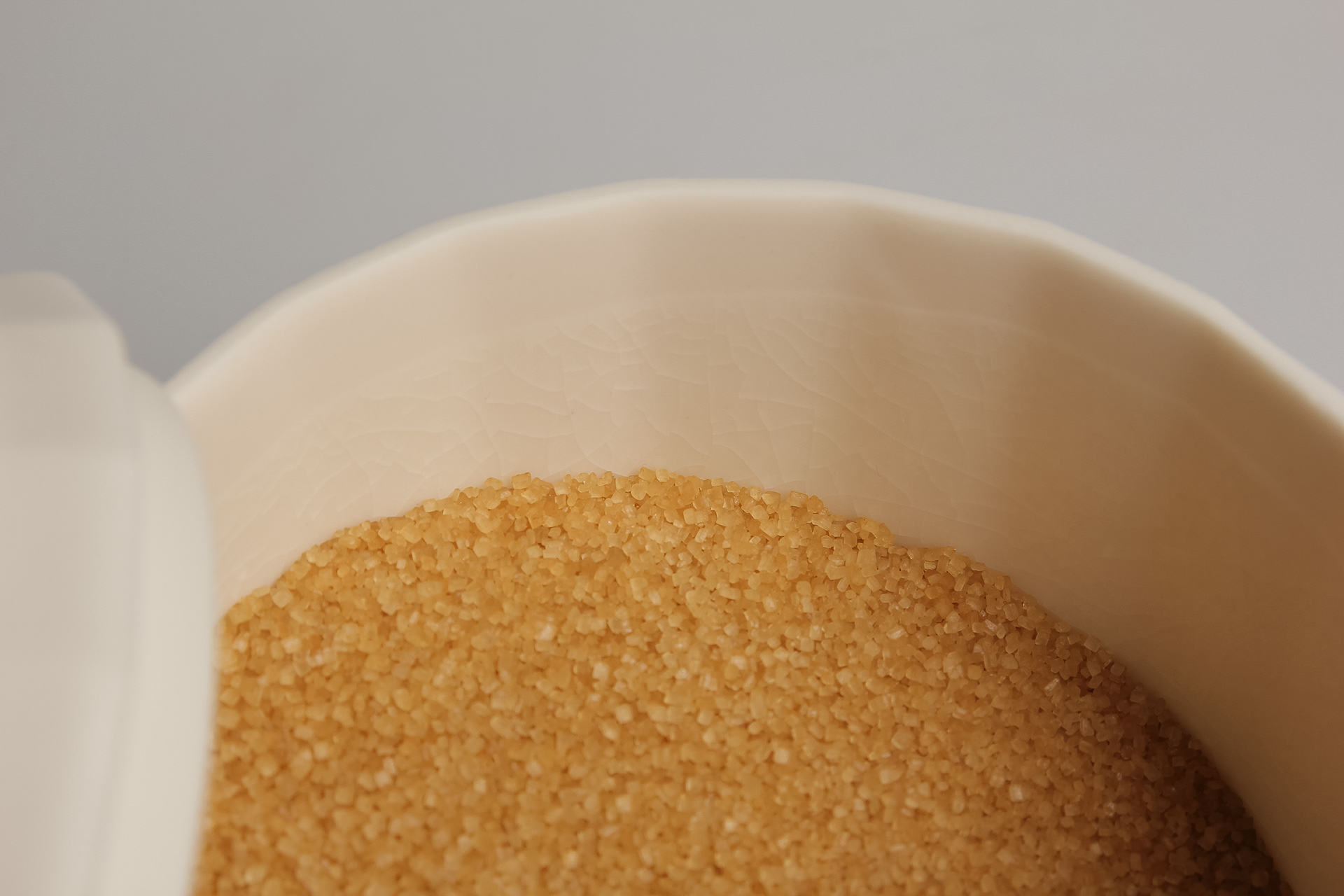
Only the interior surfaces were coated with a transparent glaze, preventing sugar or salt from adhering to the walls while preserving the tactile, unglazed quality of the exterior.
designed and created by Marta Sowińska