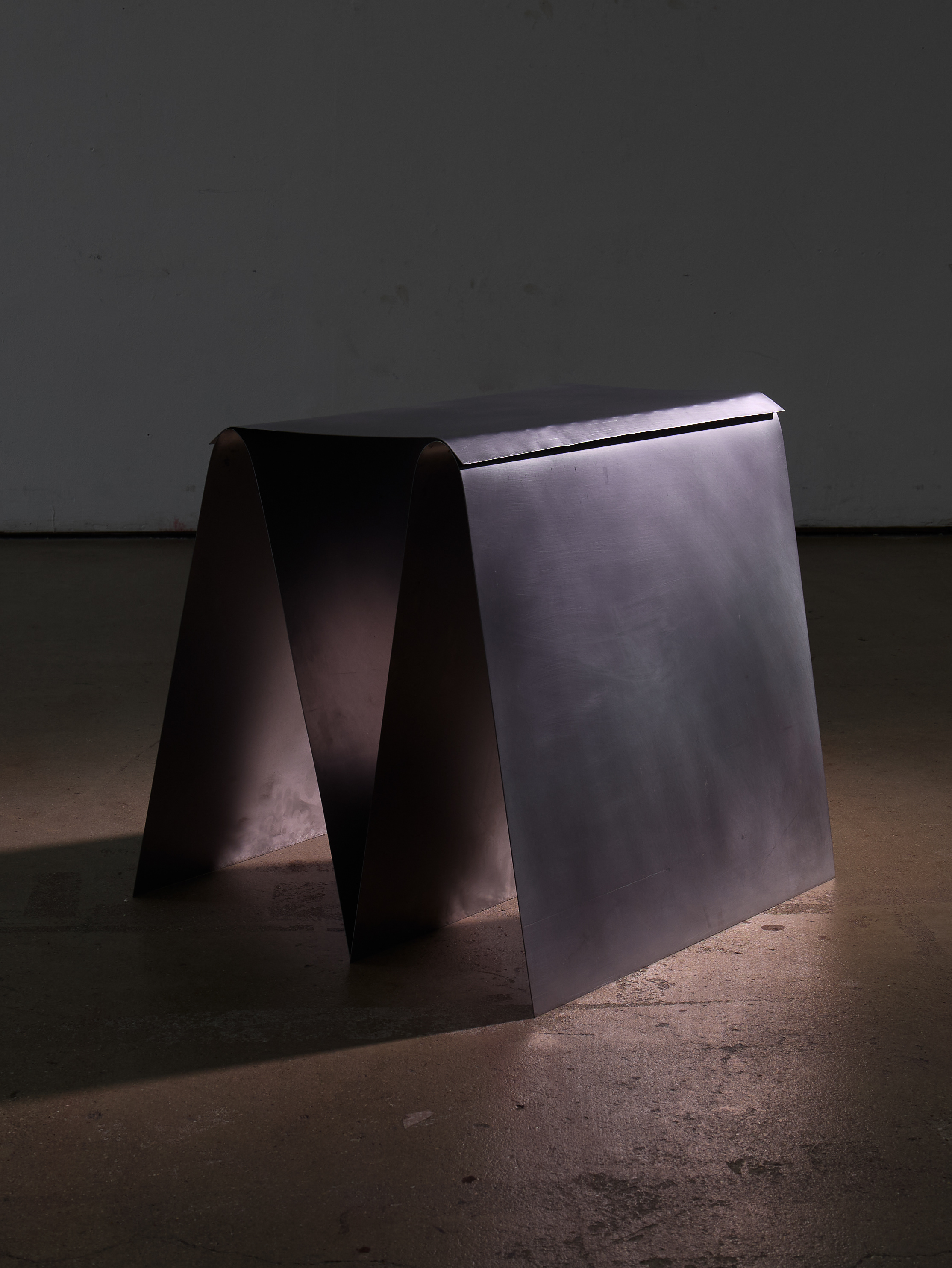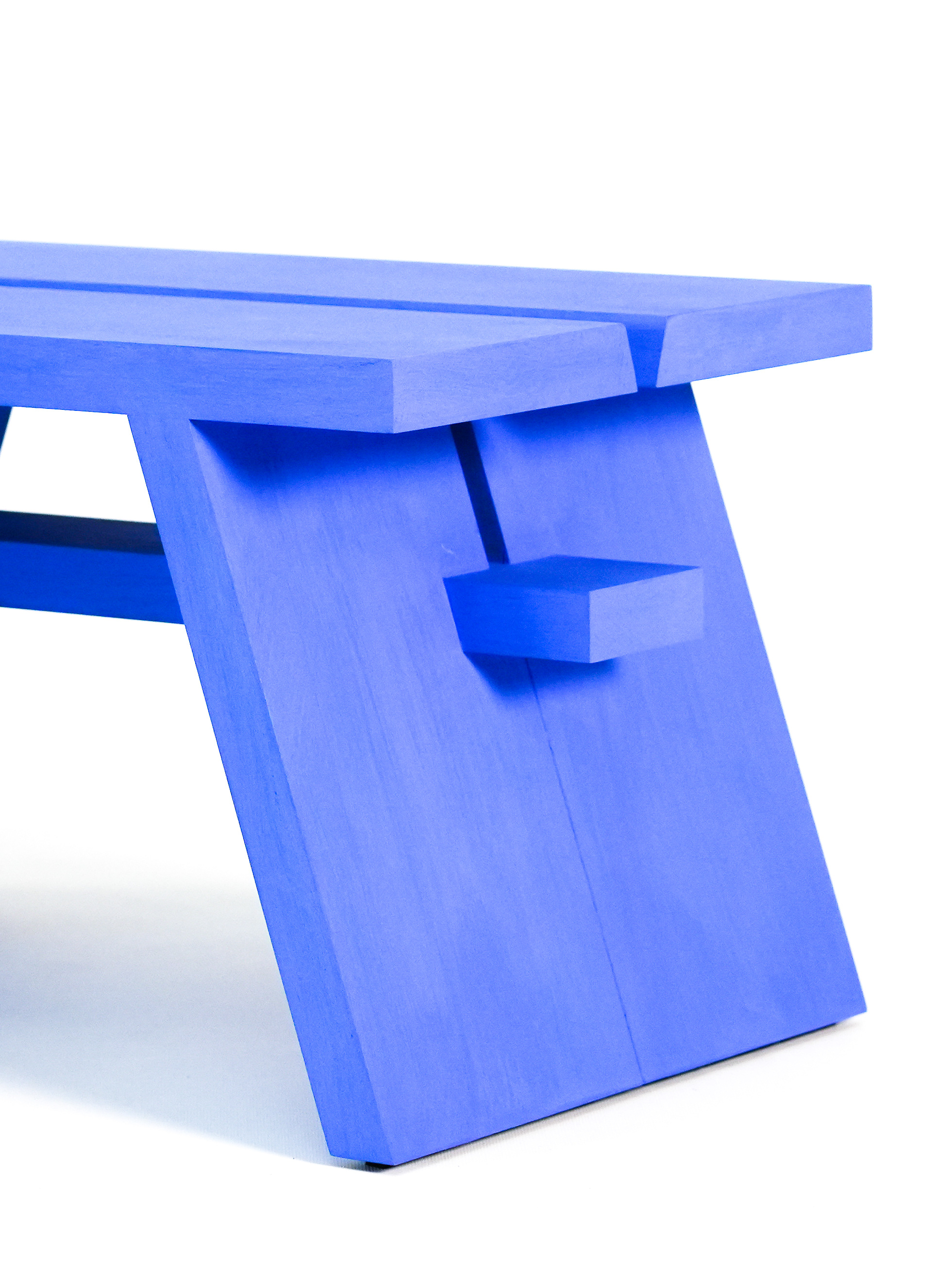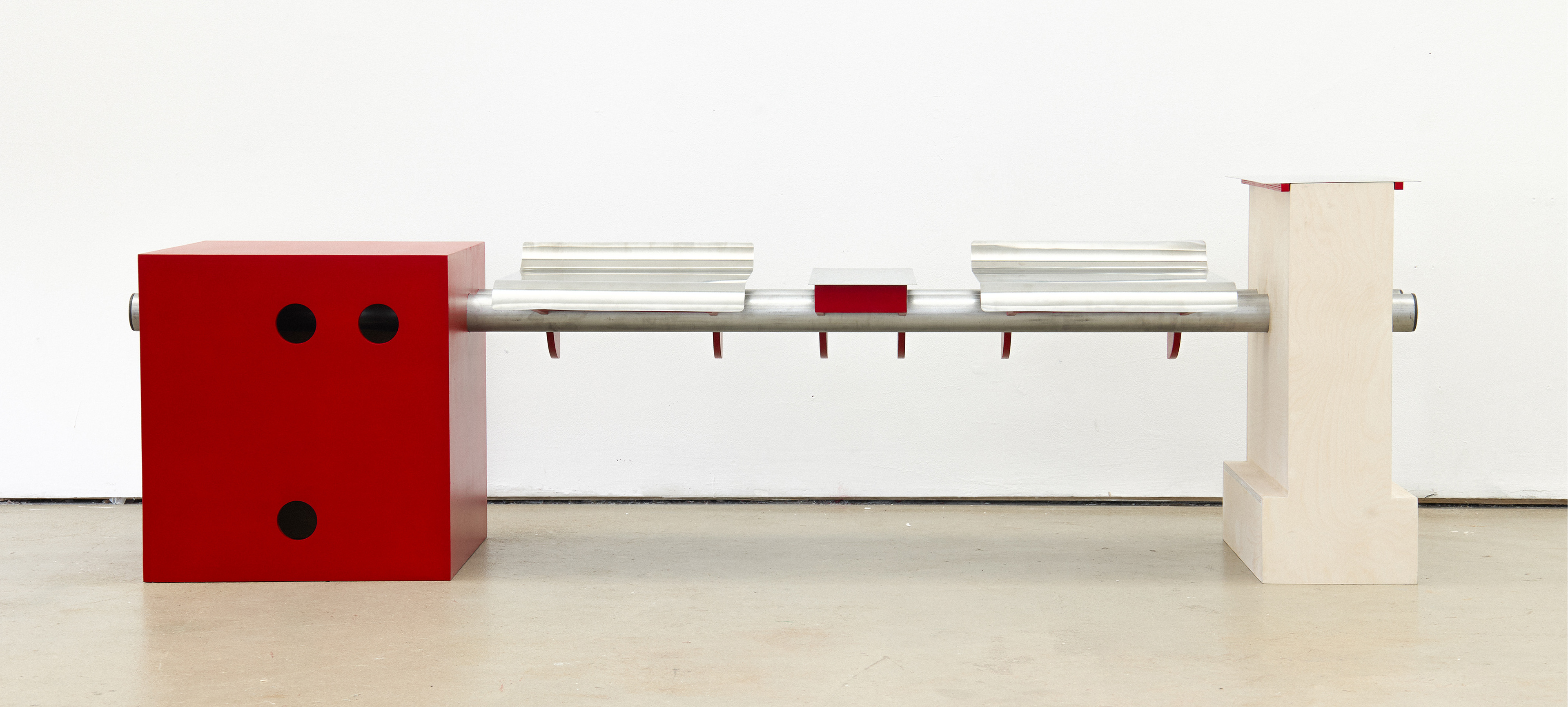
Route is a configurable seating system designed primarily for cafés. It introduces a new approach to furniture in commercial spaces which eliminates the need for carrying heavy chairs and tables every day.
While the layout of the benches leaves a choice to be fixed or adapted on occasion, the daily setup is minimized to the simple placement of the removable seats.
Designed with café workers in mind, Route supports efficiency and easy maintenance while inviting adaptive and creative use of space.
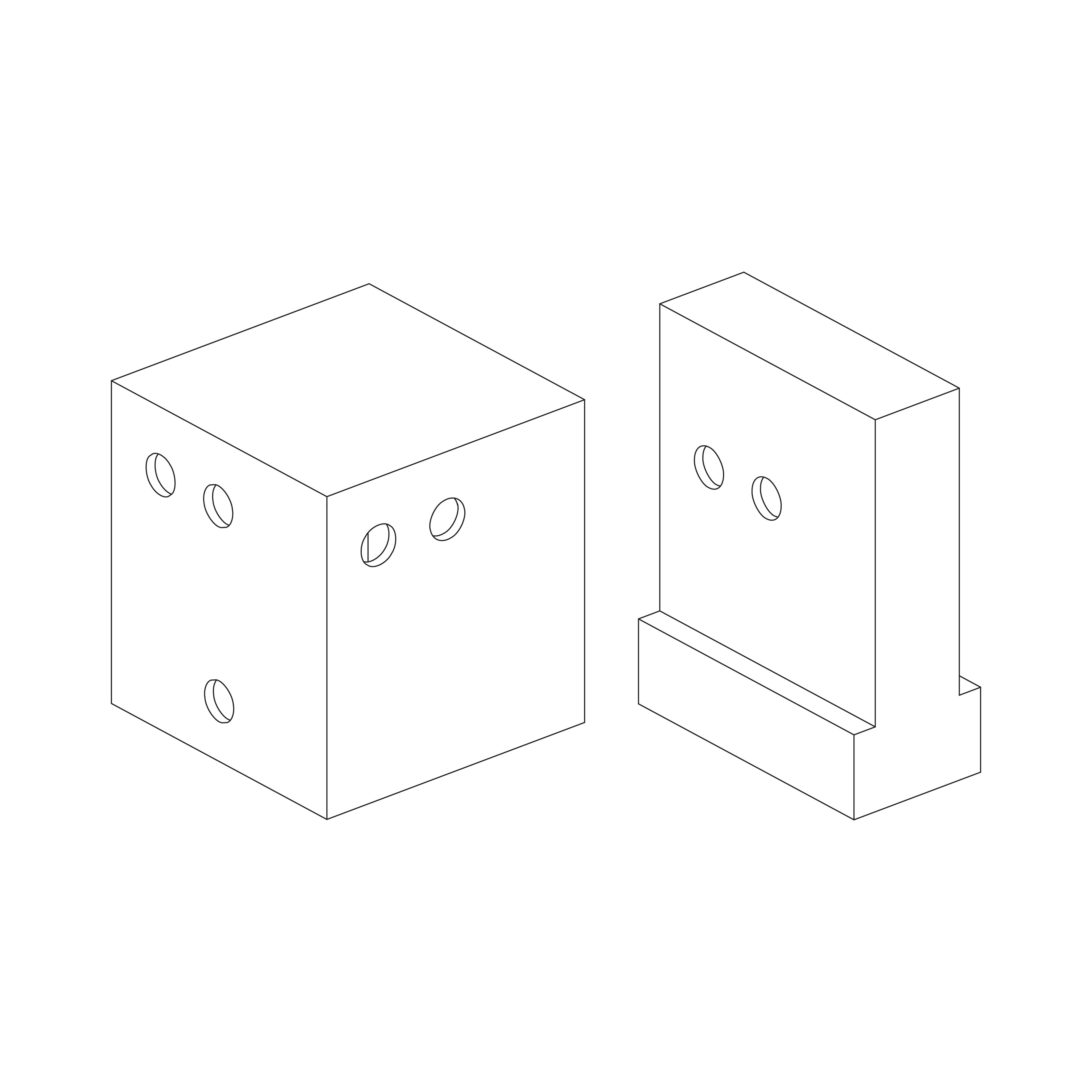
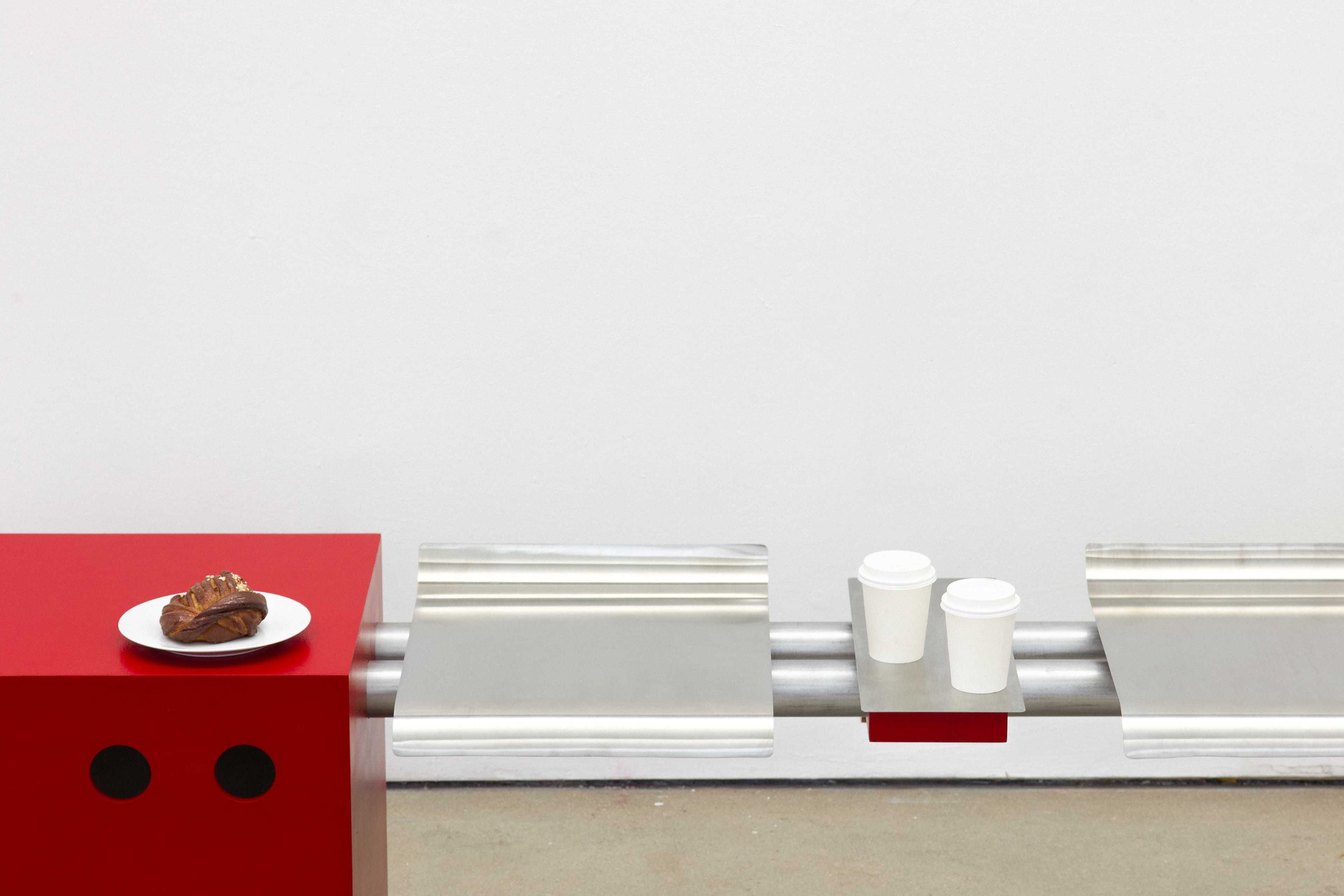
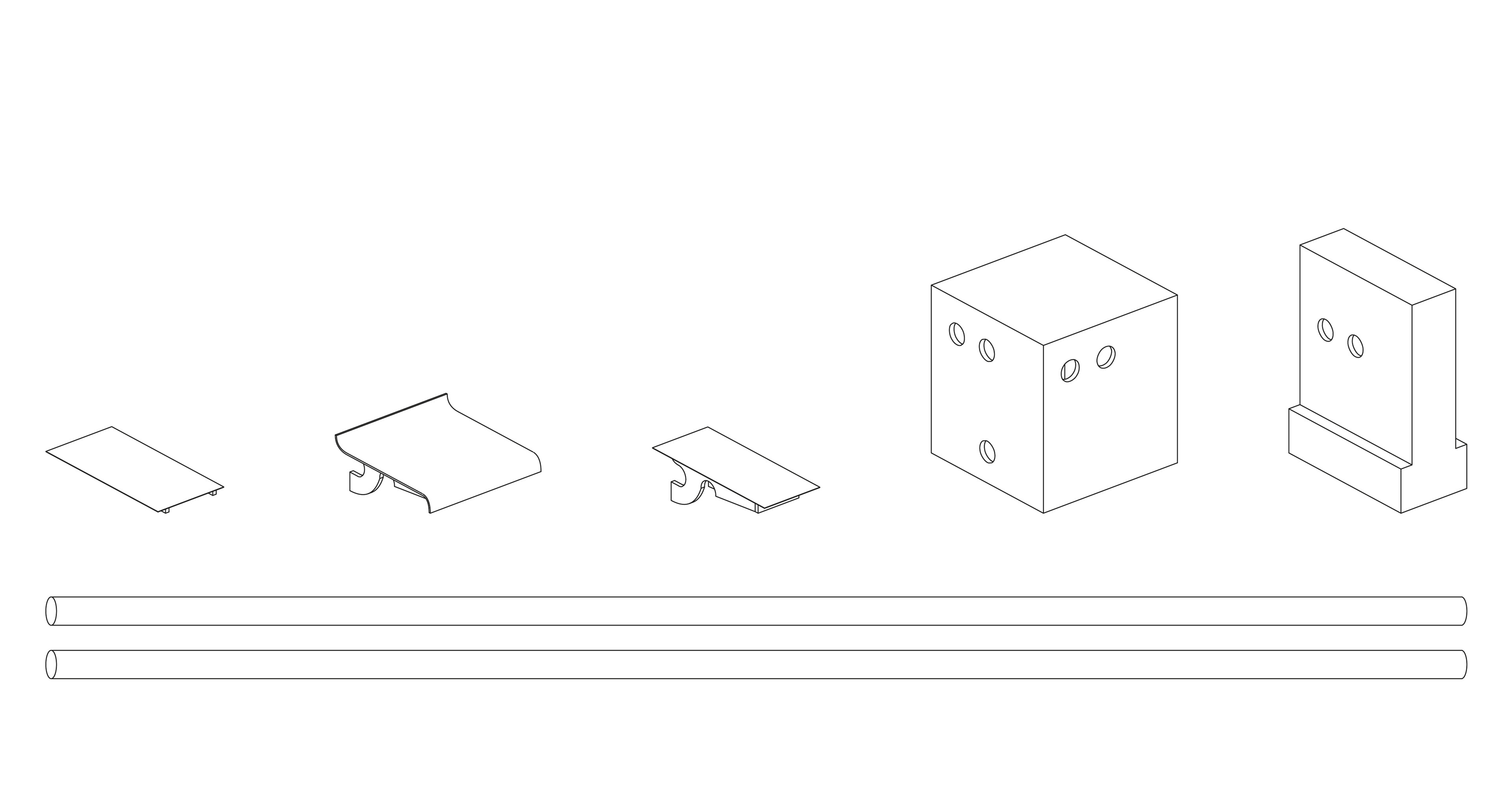
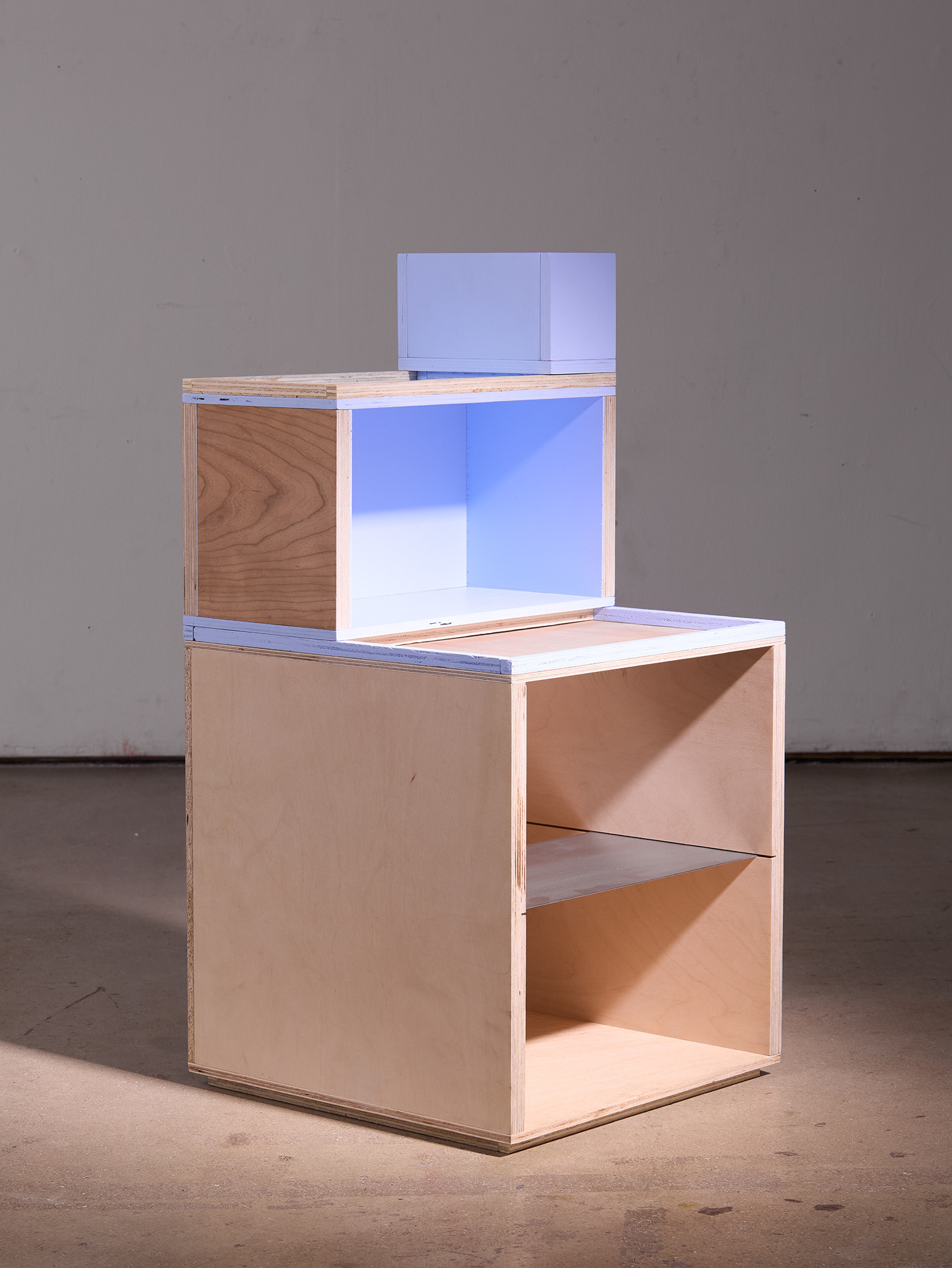
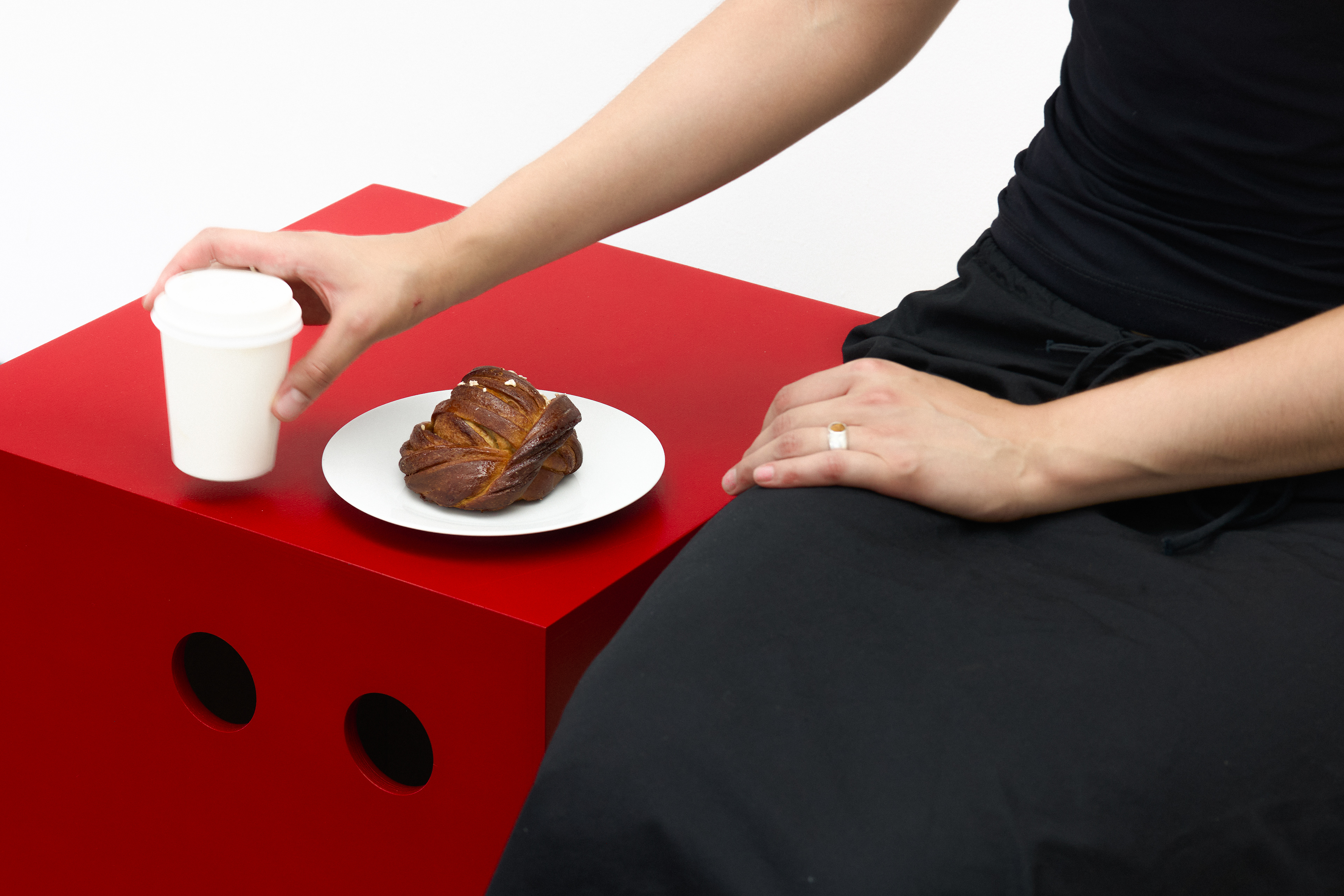
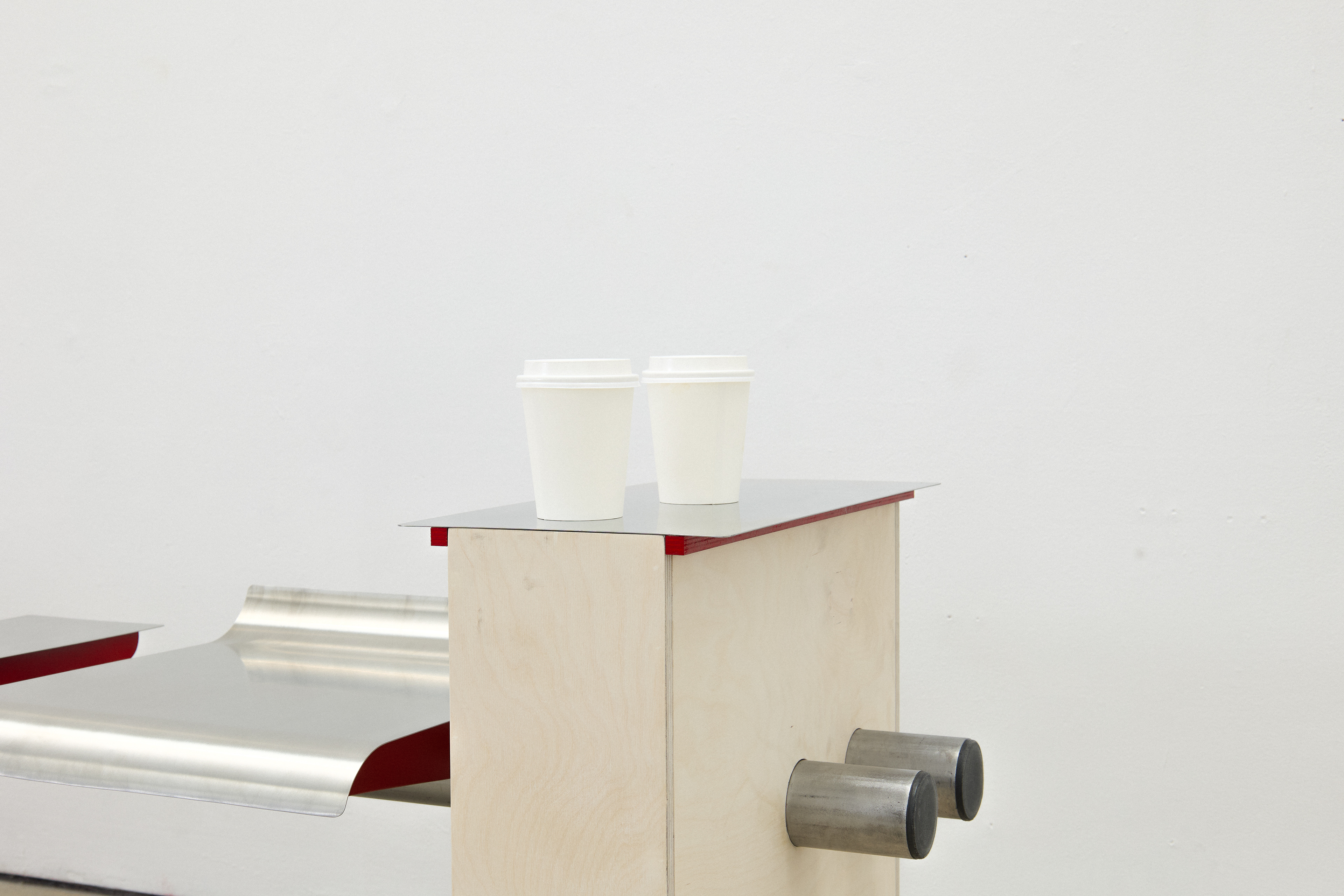
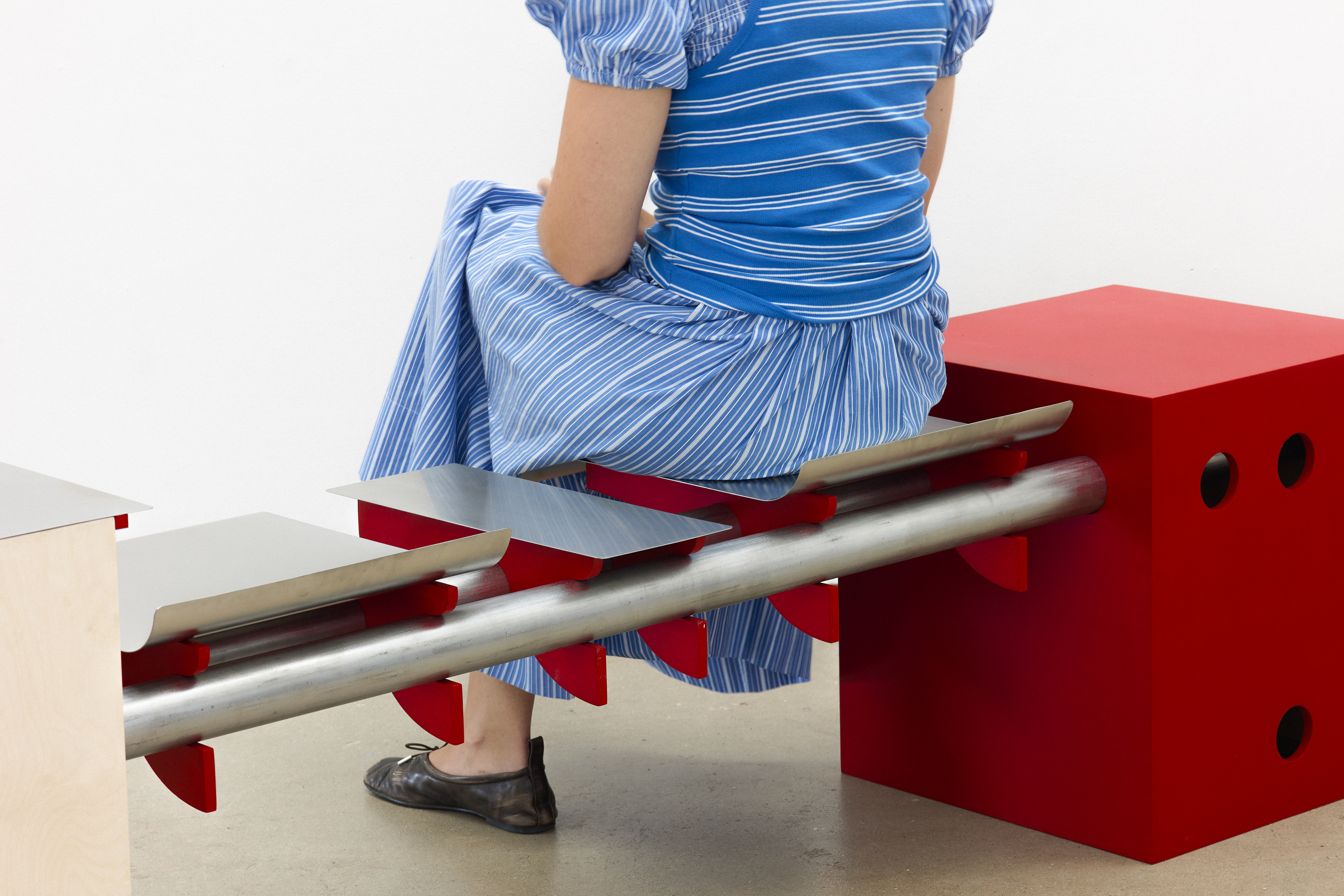
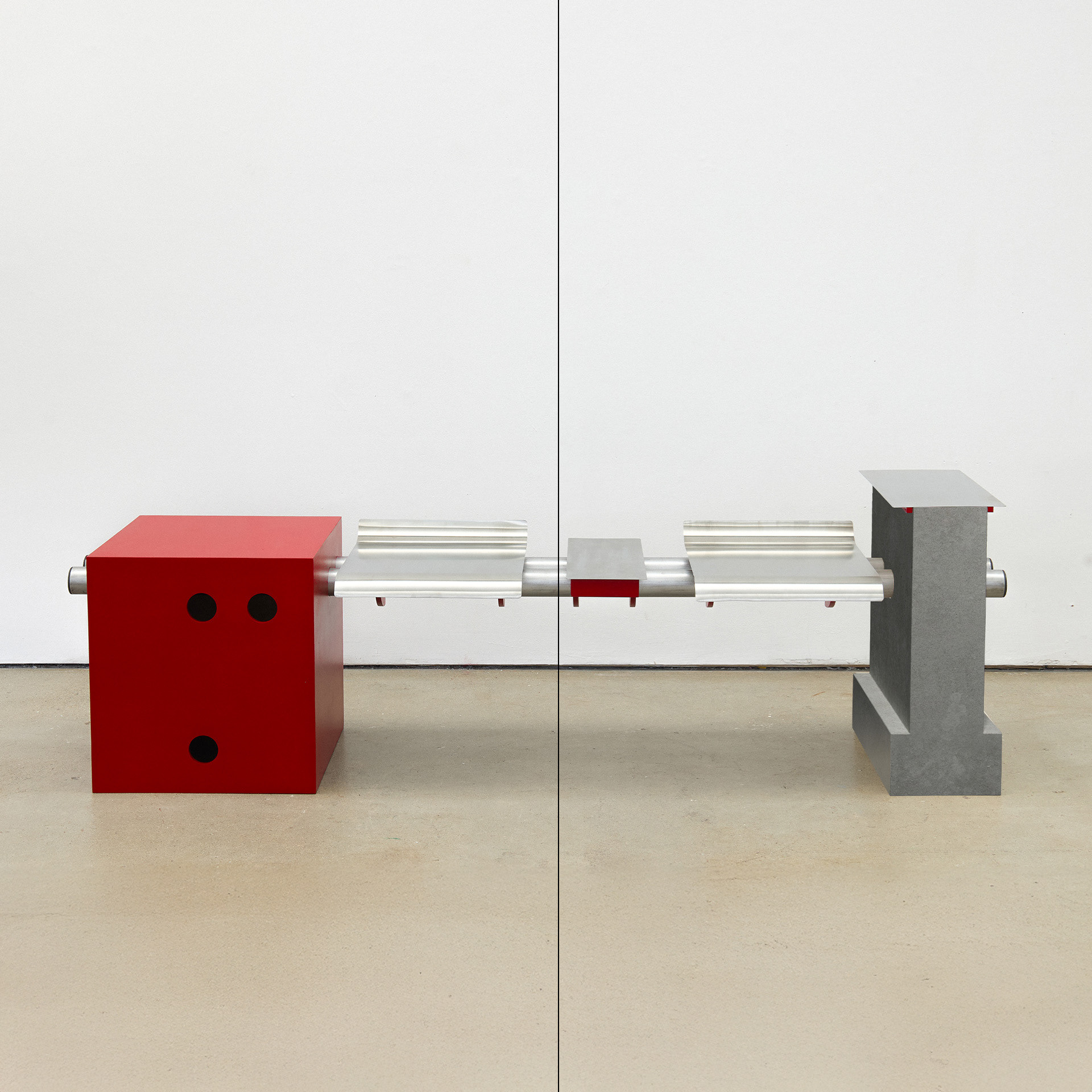
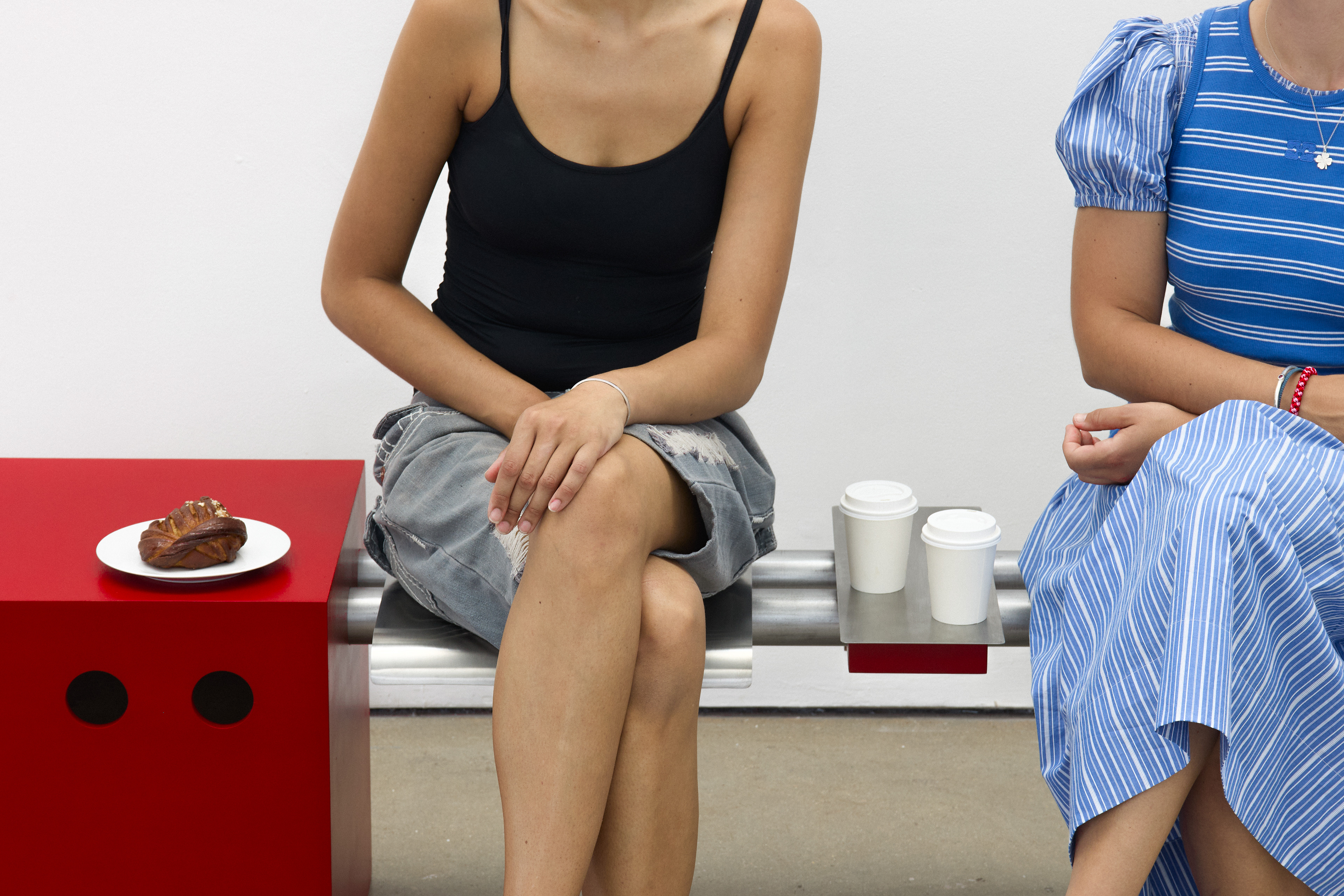
A single Route segment consists of two bases and two connecting tubes to which the seats and side tables are subsequently attached. Both bases serve as connecting elements for the system. Featuring openings for tubes, they allow the structure to be expanded in either a parallel or perpendicular configuration. They can also function as side tables. The lower, cube-shaped base offers more surface area for plates and cups. The taller, slimmer version serves as an elevated side table and features a removable top that can double as a tray.
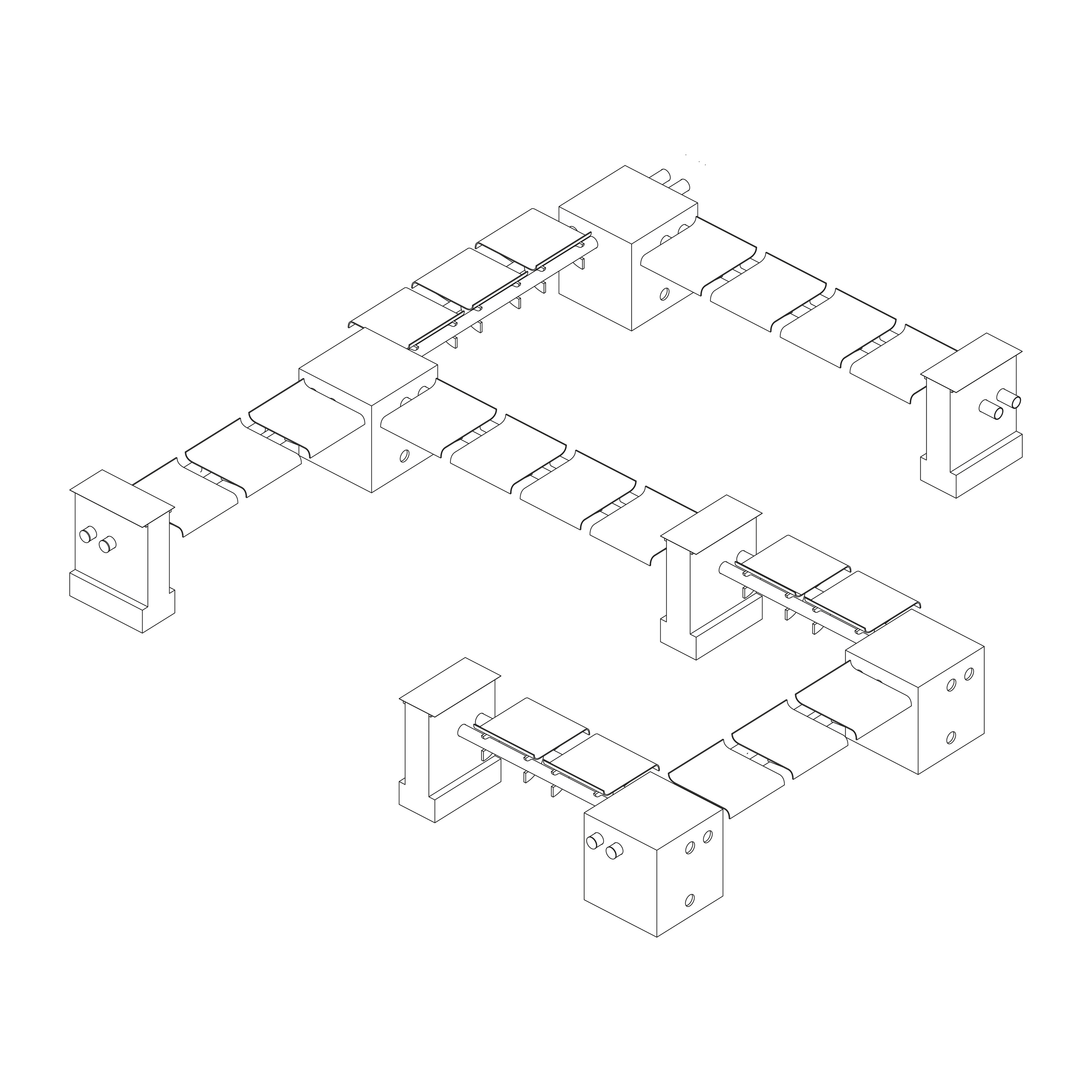
The design allows for diverse configurations, making it suitable for a wide range of spaces. The system is ideal for everything from a single bench in front of a café to an extensive seating area in a garden or on a terrace.
It can be adapted to various needs: a long bench for compact spaces, a parallel arrangement for more open interiors, or a perpendicular layout ideal for corners.
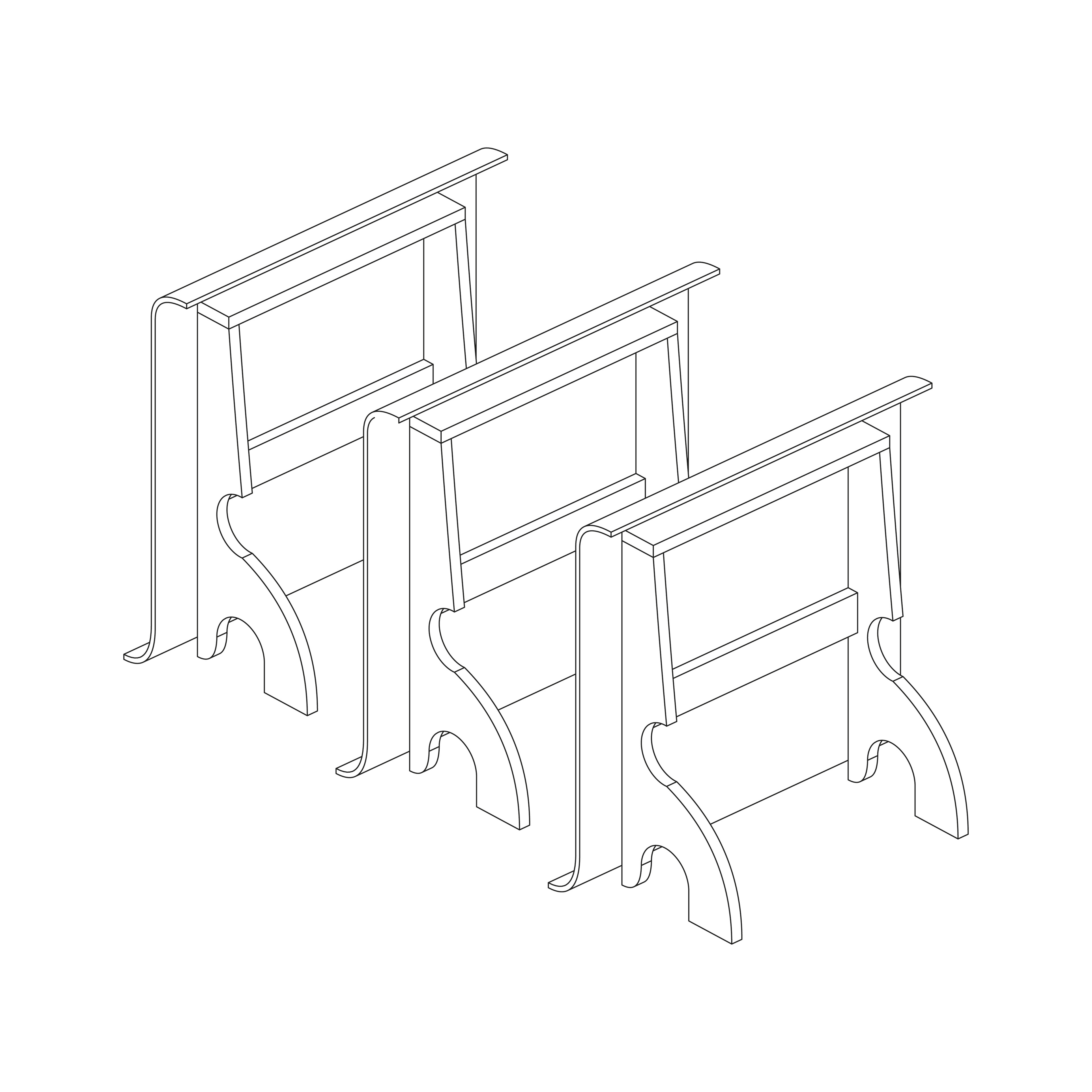
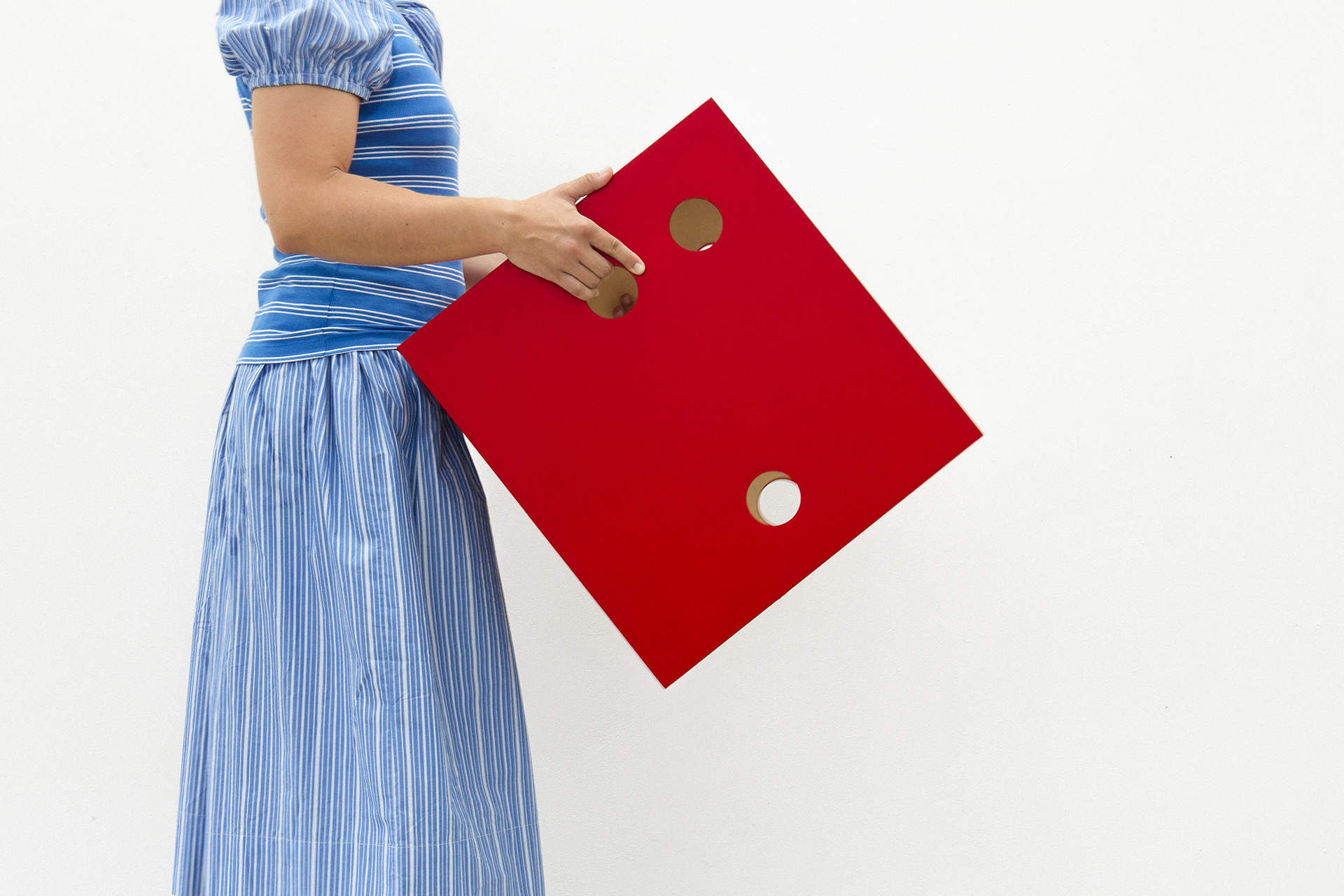
The removable seats can be comfortably gripped and set on the tubes using one or both hands. When put away, the seat can stand upright on its backside, eliminating the need to bend down too low in order to pick them up.
This design simplifies the daily set-up routine for the employee, while at the same time being a unique experience for the customer.
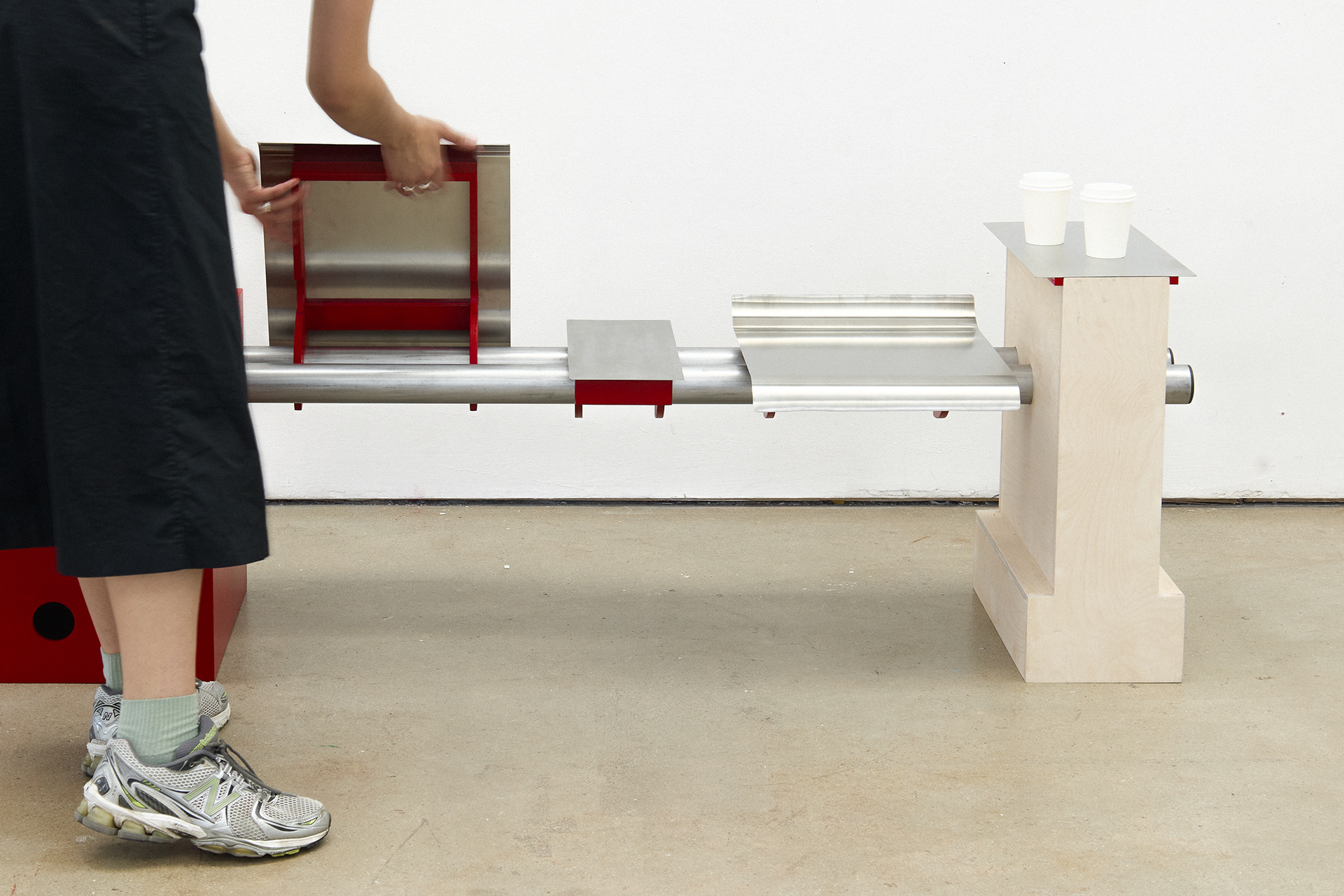
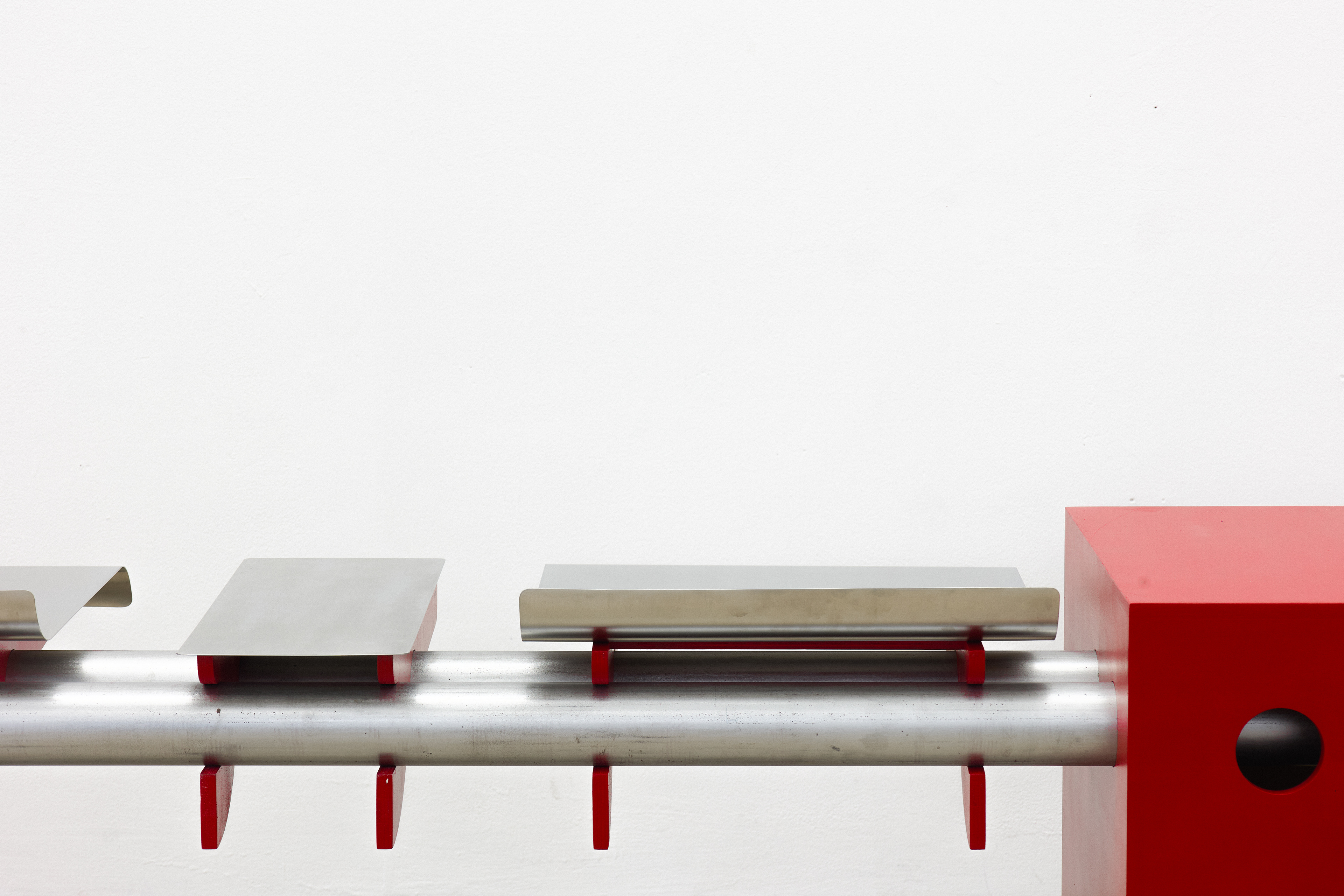
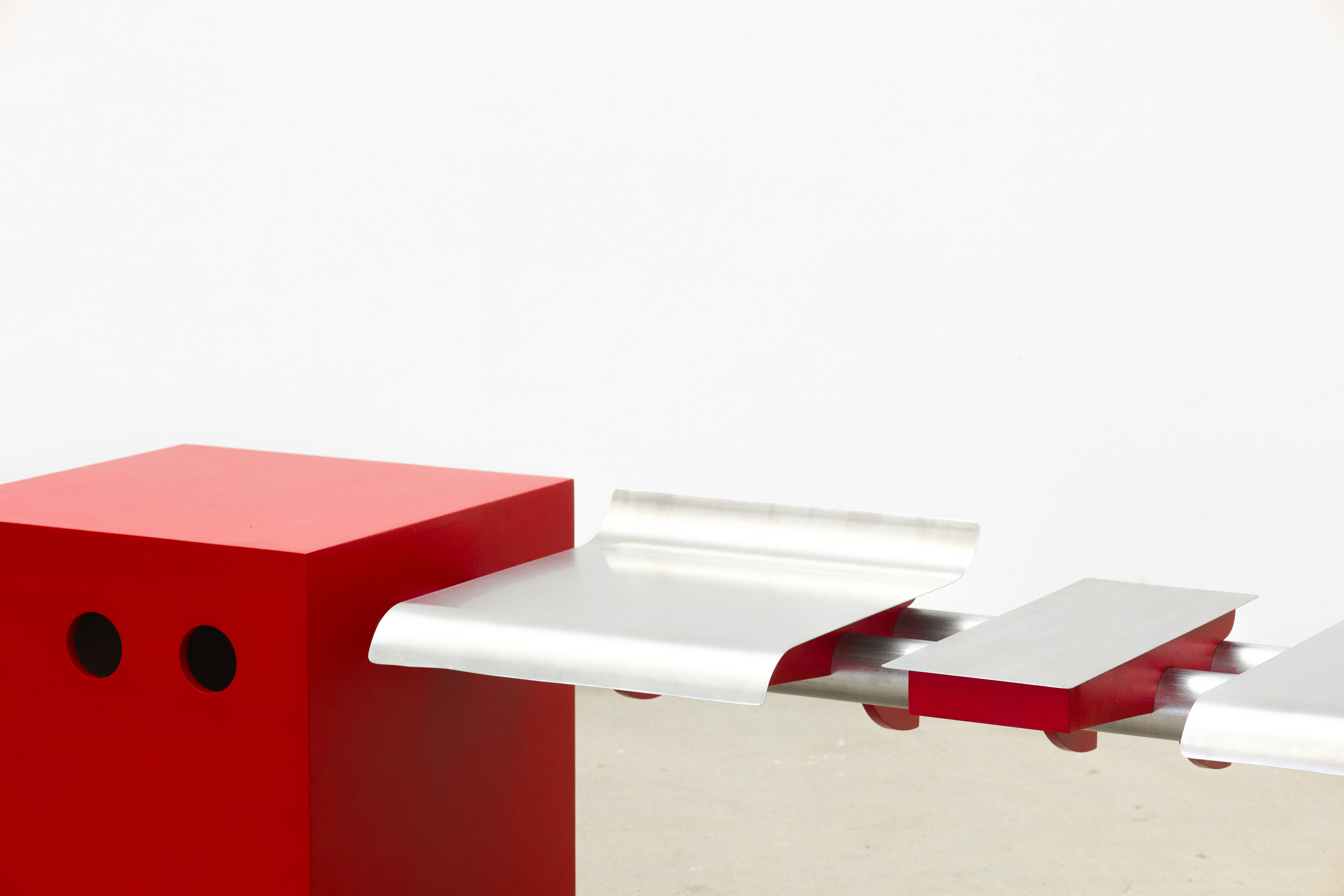
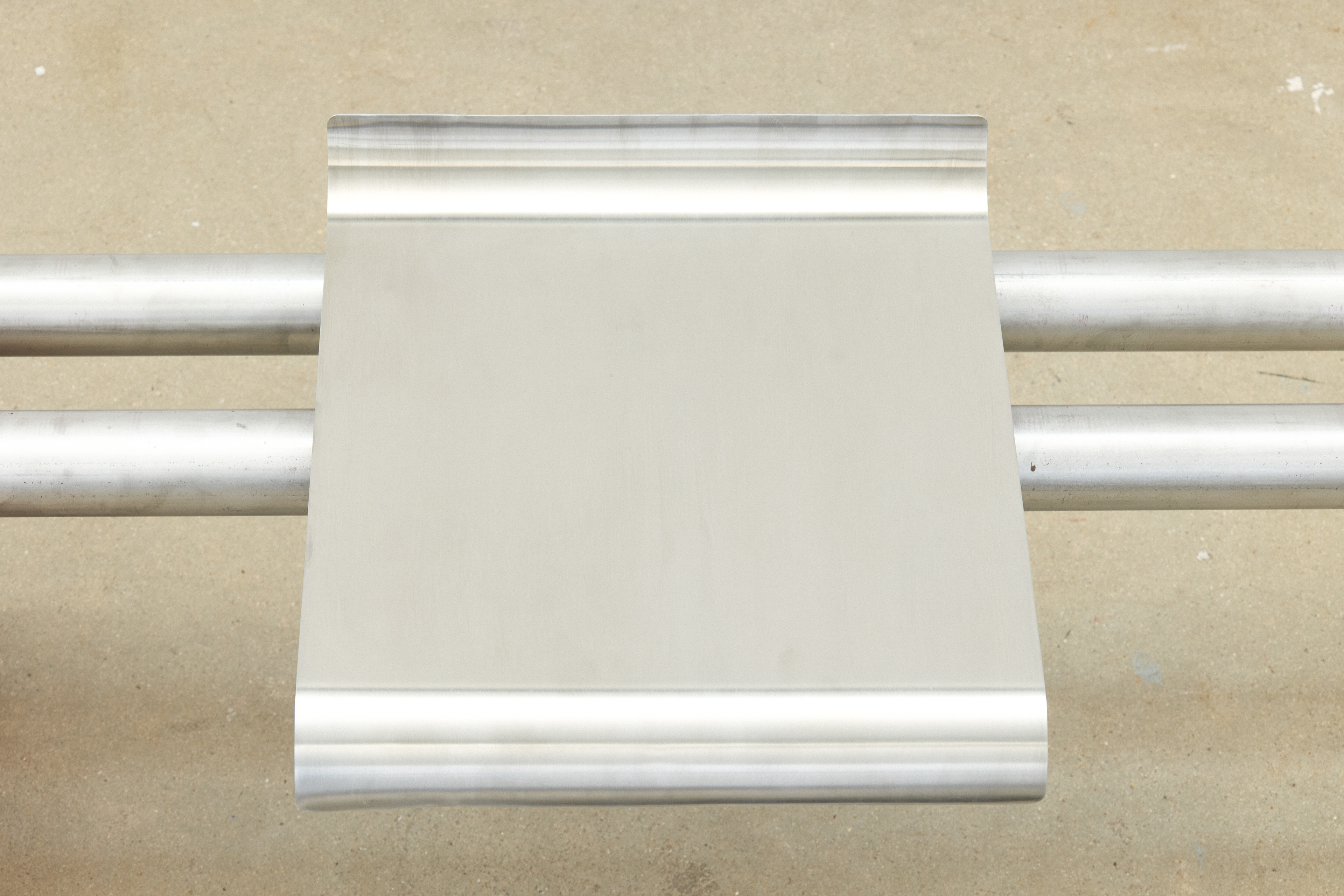
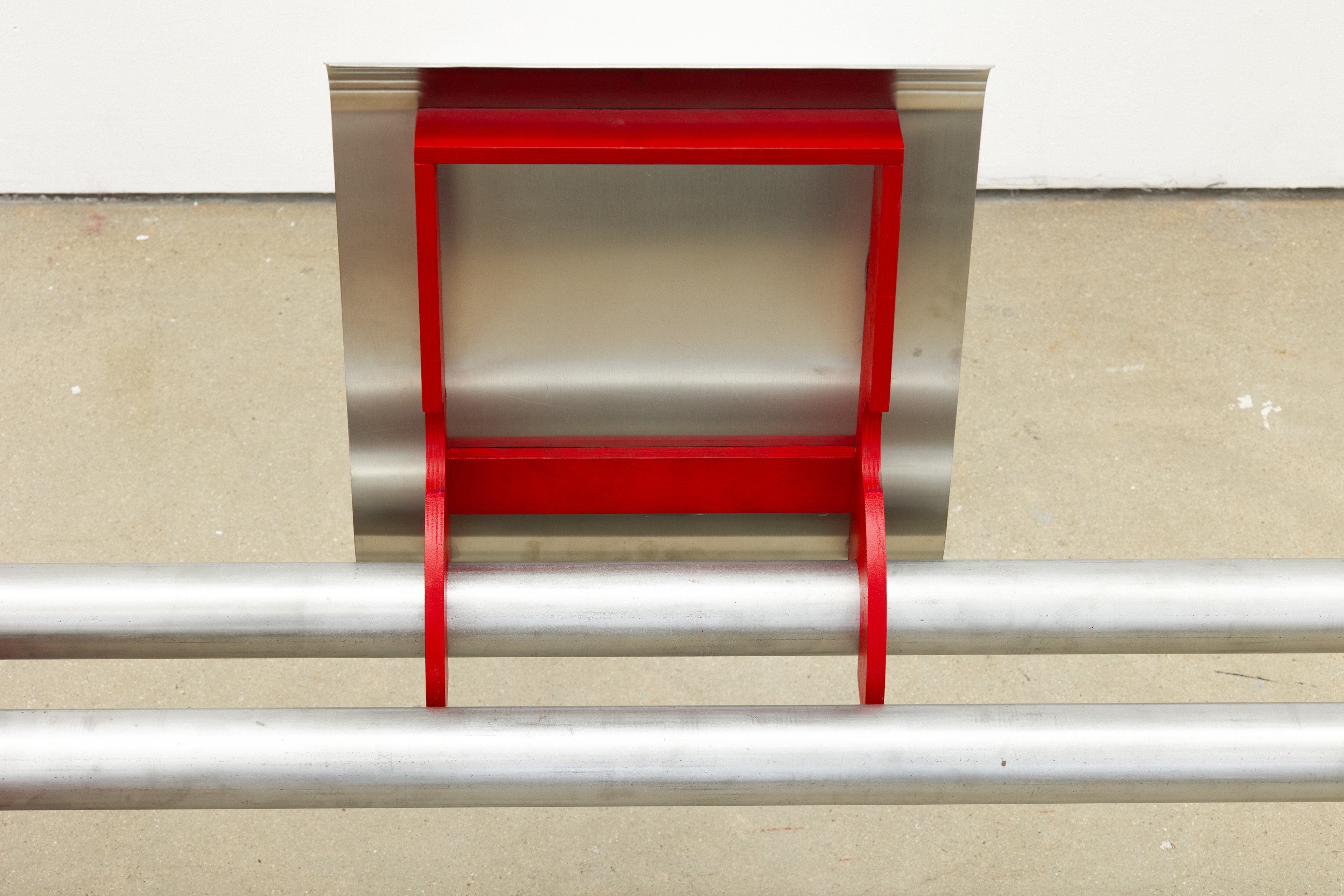
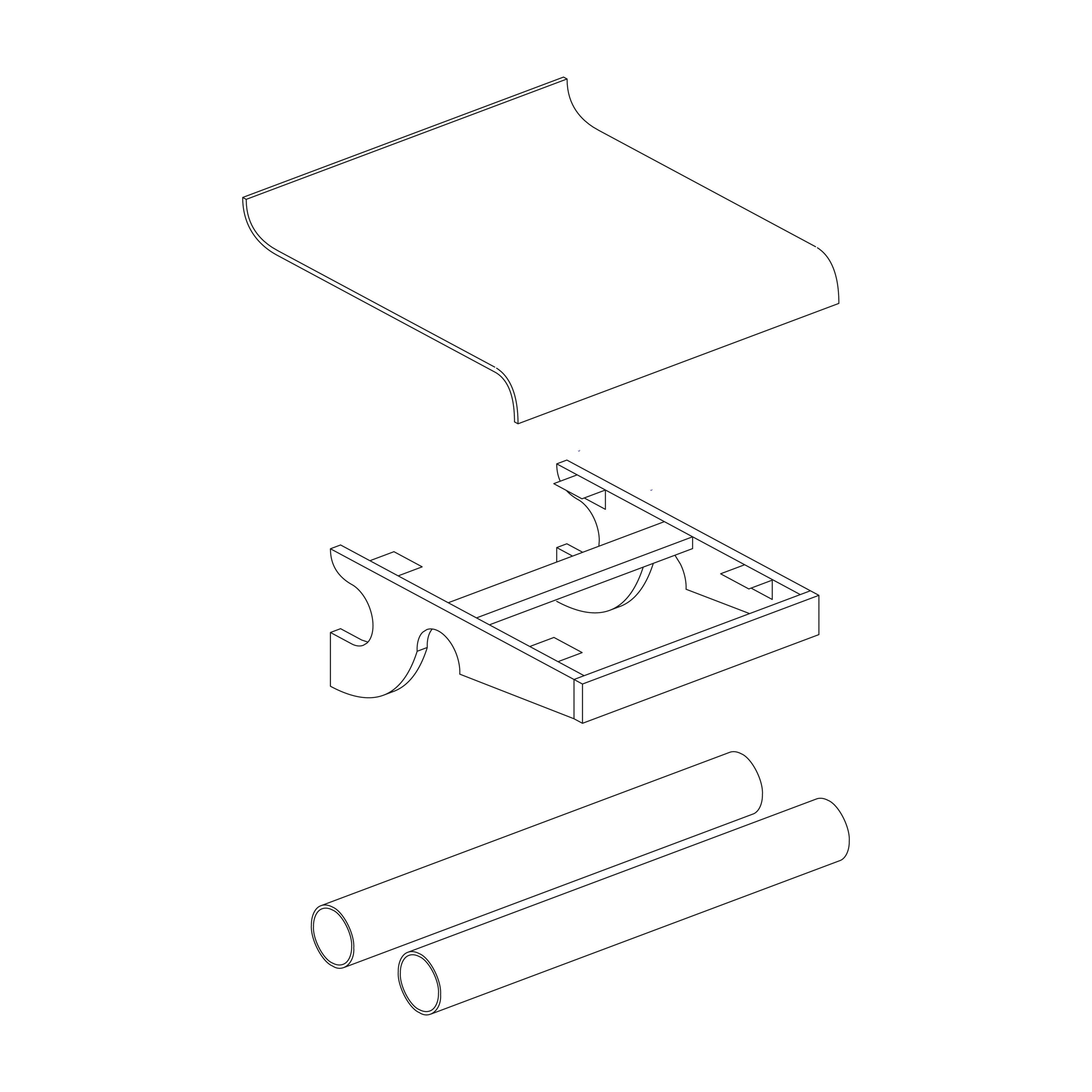
In an interior context, seats and table tops are produced using stainless steel, making it durable and easy to clean. The attachments are made out of painted plywood, which keeps the structure light, yet sturdy and allows for easy color customization.
In an outdoor context, the steel should be switched to powder coated aluminium to prevent excessive heating up in the sun. The attachments should be produced out of recycled plastic to preserve the highest resistance to weather damage.
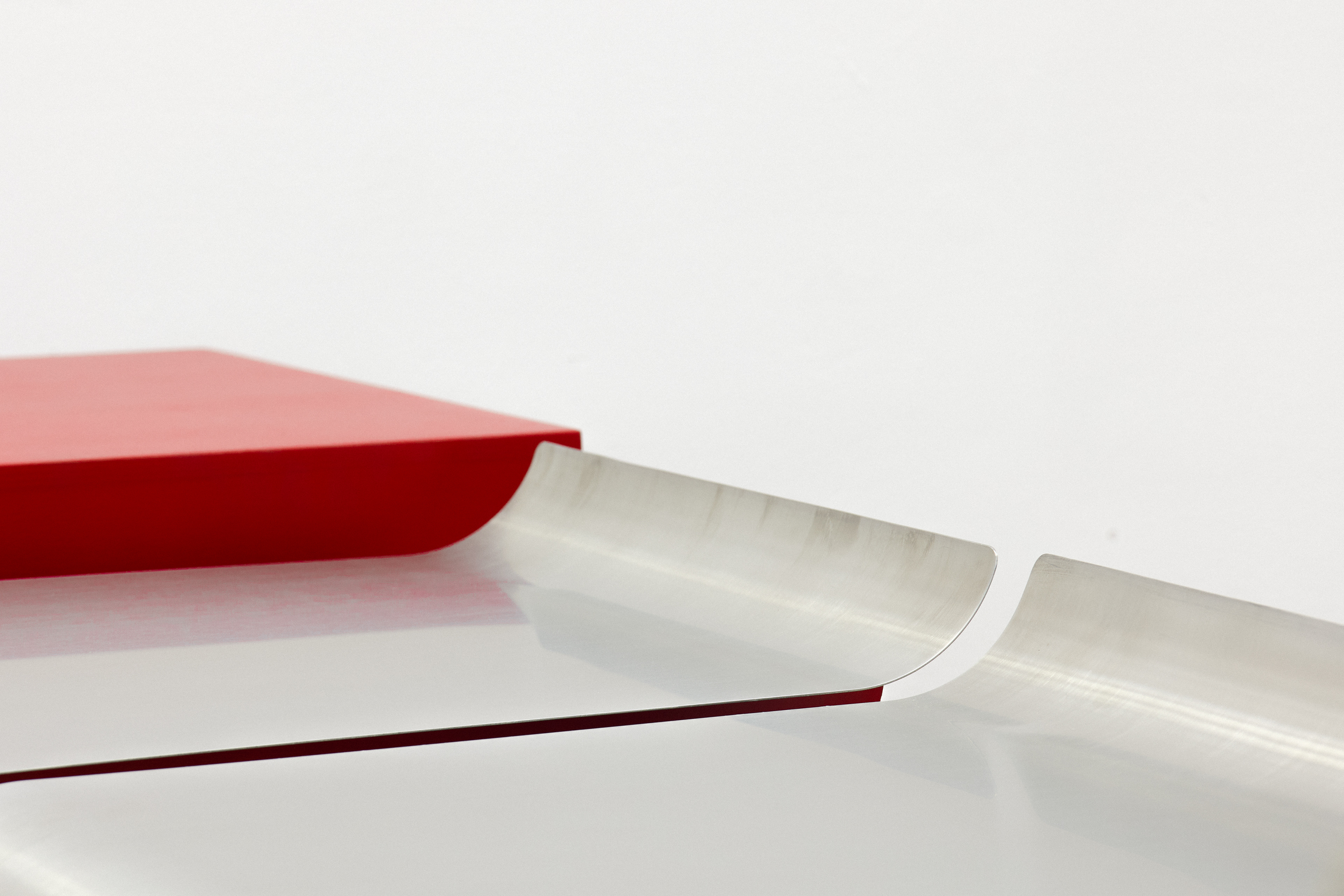
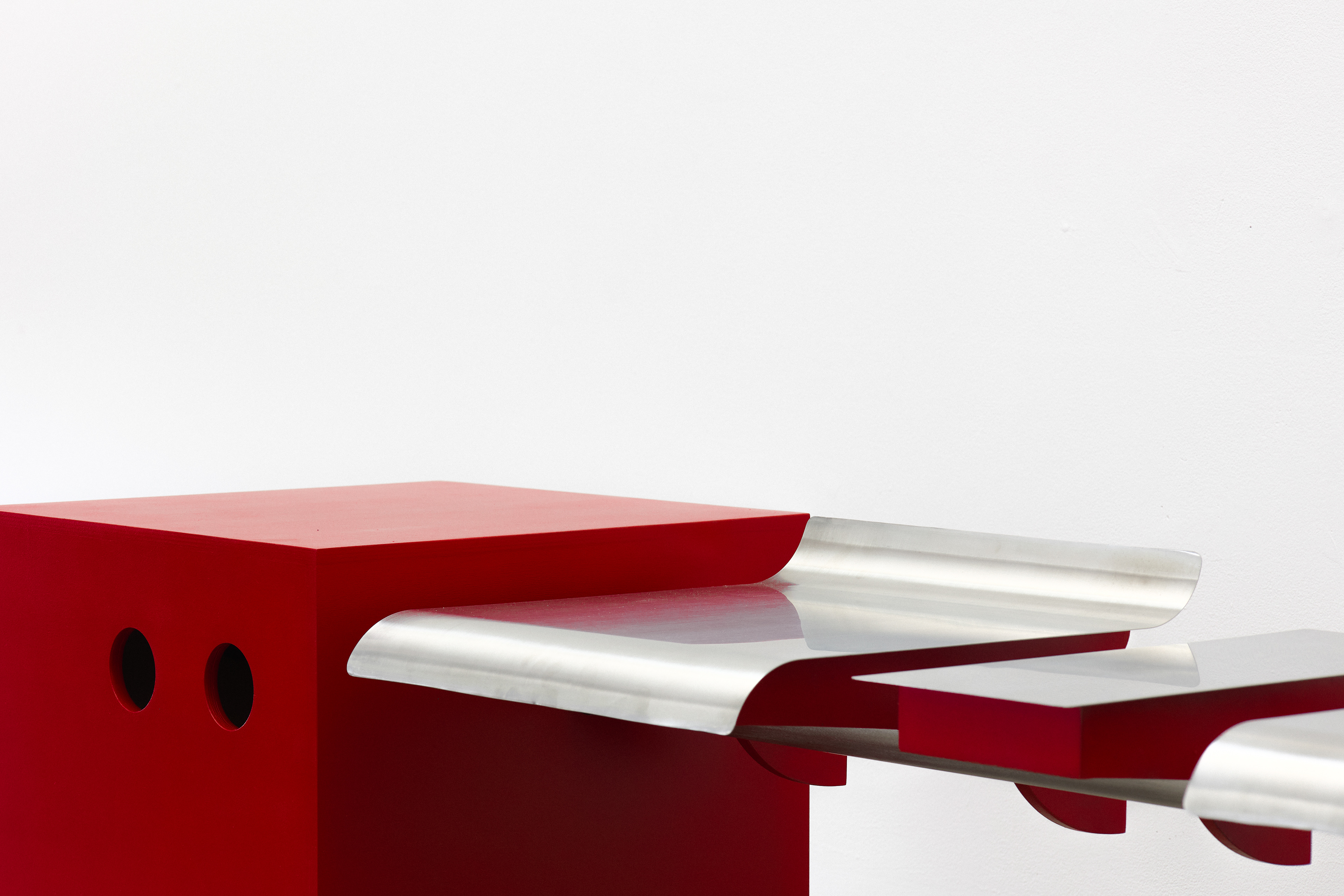
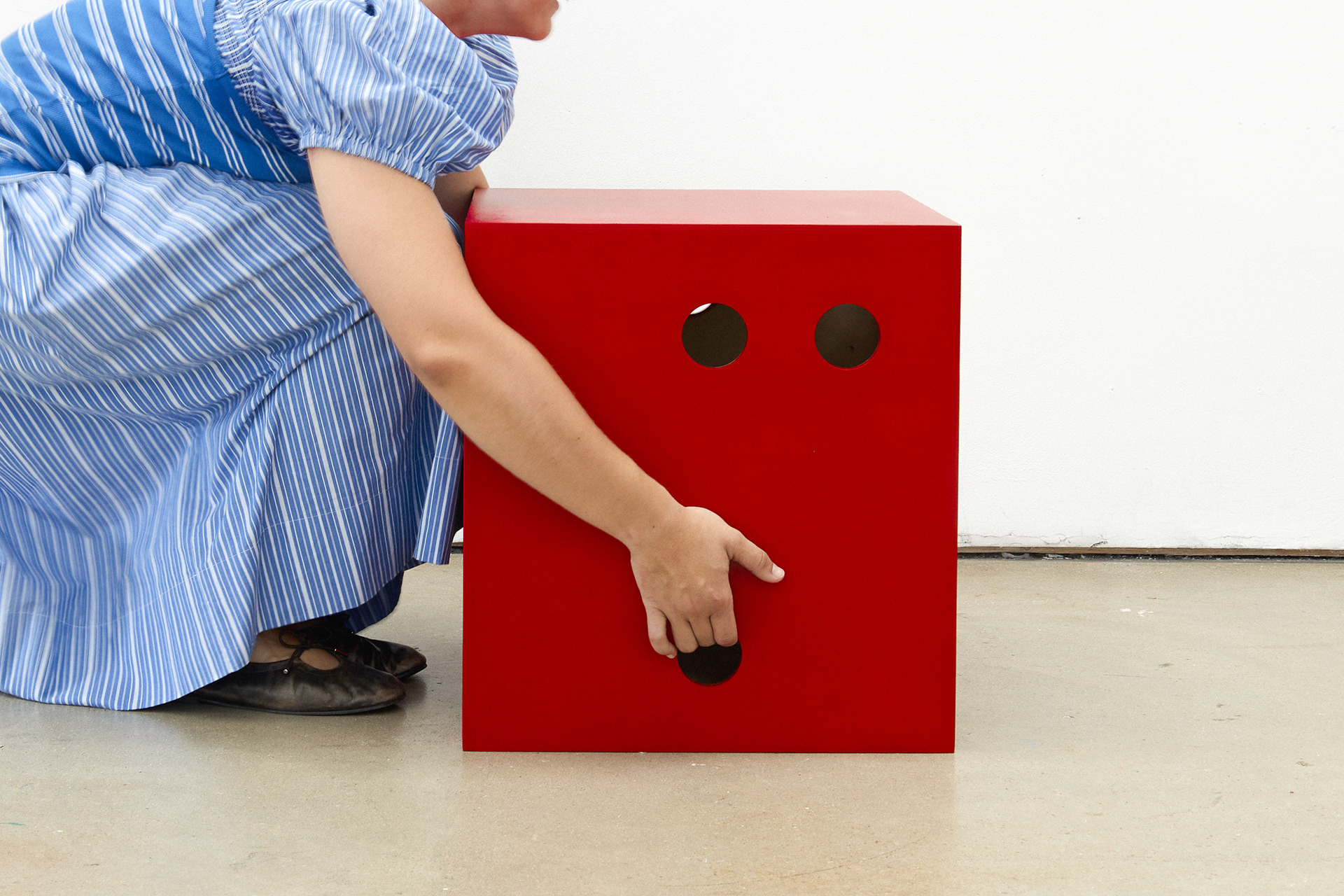
The bases are equipped with openings on each side that serve both as placement for the tubes, and as handles for when they need to be picked up and moved.
Additionally, the bigger base has two openings positioned closer to the ground. They allow for healthier posture when picking up that transfers the heavy lifting from the lower spine to leg and glute muscles.
The interior version of the bench, which is lighter, can also be picked up and moved around by two people, using ends of the tubes as handles.
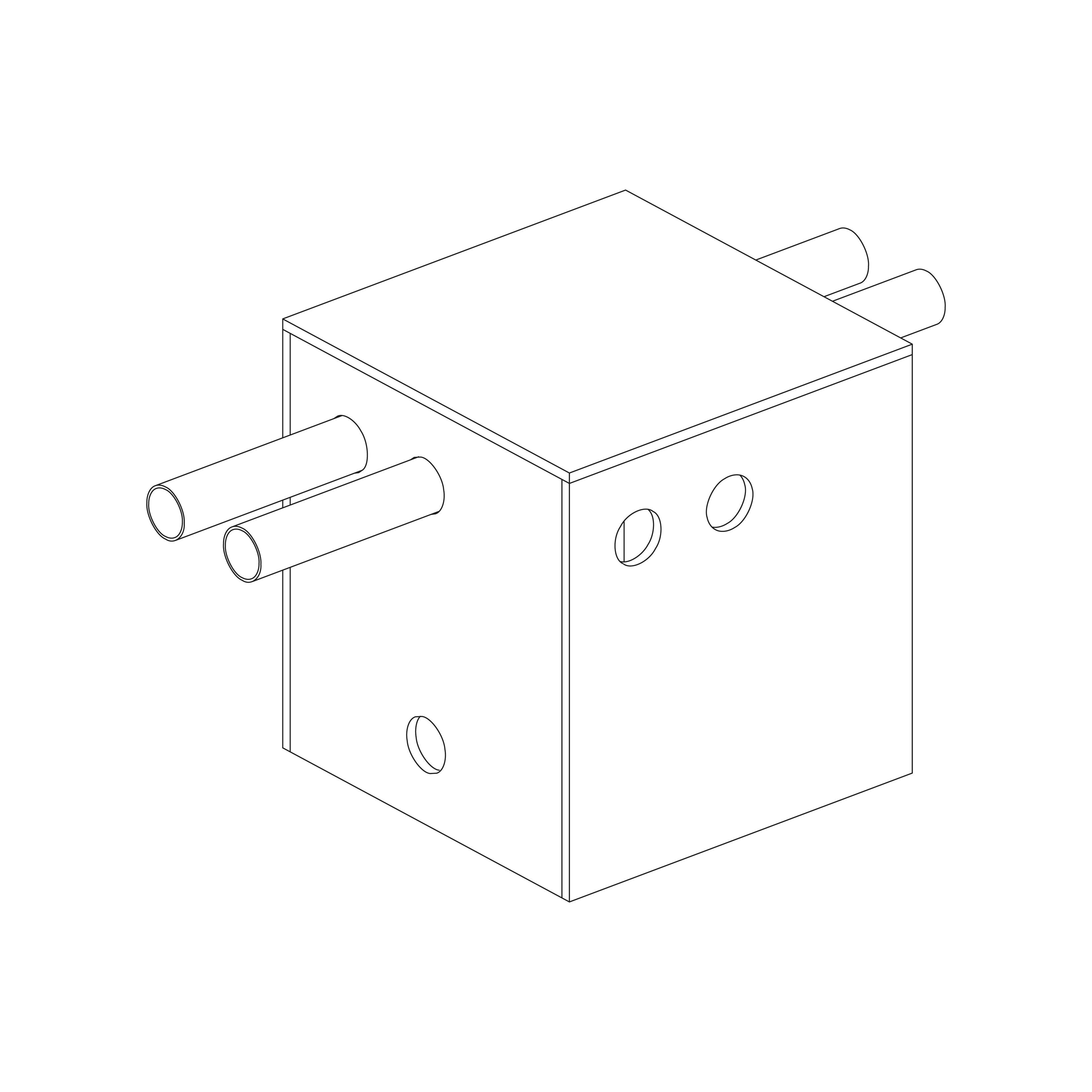
In an interior context, bases are made out of painted plywood, which keeps the structure light, yet sturdy and allows for easy color and finish customization.
For outdoor applications, the bases are made of glass-fiber reinforced concrete. This material allows for a durable structure while enabling the use of thinner walls. It is also resistant to weather-related damage, scratches, and cracking. Weighing approximately 40–50 kg, the bases can be safely moved by two people, yet are heavy enough not to require anchoring.
The Route system is designed with easy production in mind. Cubical bases, easy to produce out of wood and to cast out of concrete. Simple bent metal seats, with spotwelded brackets that are screwed into the frames. Galvanized steel tubes, easy to acquire in all basically any lengths. All these elements being separate from each other allows for easy storage and replacement in case something gets damaged.